The Threat of Invasive Species to Native Ecosystems
The Threat of Invasive Species to Native Ecosystems
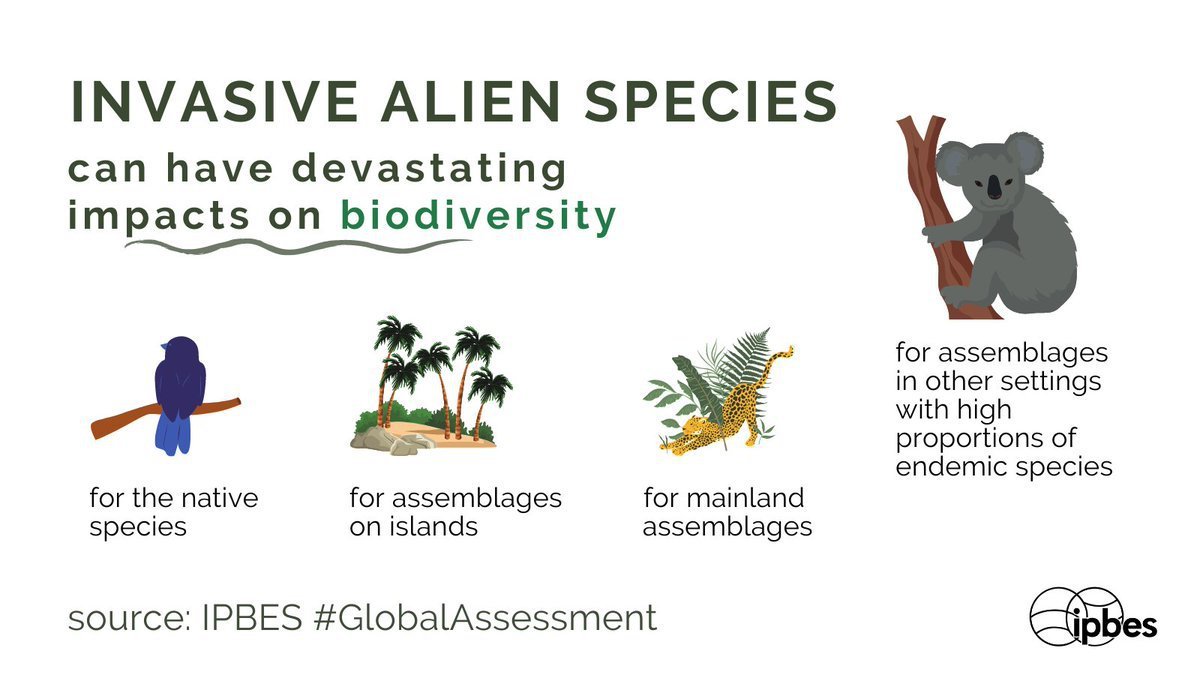
Invasive species are non-native organisms that are introduced to an ecosystem and cause ecological or economic harm. They represent one of the most significant threats to biodiversity worldwide, second only to habitat loss. Once established, invasive species can outcompete native species, disrupt food webs, alter habitats, and even drive native species to extinction. Understanding the mechanisms of invasion and implementing effective management strategies are crucial for protecting the integrity and resilience of native ecosystems.
What Makes a Species Invasive?
Not all non-native species become invasive. Many introduced species integrate into their new environments without causing significant harm. An invasive species, however, possesses a combination of characteristics that allow it to thrive and spread aggressively in its new habitat. These traits often include:
- Rapid Reproduction: High reproductive rates and efficient dispersal mechanisms allow them to quickly establish large populations.
- Competitive Advantage: They may outcompete native species for resources like food, water, light, and space due to faster growth rates, earlier maturation, or superior foraging abilities.
- Lack of Natural Predators/Diseases: In their new environment, invasive species often lack the natural predators, parasites, or diseases that kept their populations in check in their native range.
- Broad Environmental Tolerances: They can adapt to a wide range of environmental conditions, making them resilient to disturbances and able to colonize diverse habitats.
- Allelopathy: Some invasive plants release chemicals that inhibit the growth of native plants.
Ecological Impacts of Invasive Species
The ecological consequences of invasive species are diverse and often devastating:
1. Biodiversity Loss
Invasive species are a leading cause of native species extinction. They can directly prey on native species, outcompete them for resources, or introduce novel diseases. For example, the brown tree snake, accidentally introduced to Guam, decimated native bird populations, leading to the extinction of several species. Invasive plants can form dense monocultures, shading out native vegetation and altering plant community composition.
2. Habitat Alteration
Invasive species can fundamentally change the physical structure and chemical properties of ecosystems. Invasive plants can alter fire regimes, water availability, and soil nutrient cycles. For instance, invasive grasses in arid regions can increase fire frequency and intensity, transforming shrublands into grasslands. Invasive animals can alter soil structure through burrowing or grazing, impacting plant growth and soil stability.
3. Disruption of Food Webs
By outcompeting or preying on native species, invaders can disrupt delicate food web dynamics. The loss of a key native species can have cascading effects throughout the ecosystem, impacting multiple trophic levels. For example, if an invasive insect consumes a native plant that is a primary food source for a native bird, both the plant and the bird populations will suffer.
4. Introduction of Diseases
Invasive species can act as vectors for diseases or parasites to which native species have no immunity. The introduction of avian malaria by invasive mosquitoes in Hawaii has devastated native bird populations, many of which are now critically endangered.
5. Genetic Pollution
In some cases, invasive species can hybridize with native species, leading to genetic dilution or the loss of unique genetic traits in native populations. This can reduce the fitness and adaptability of native species, making them more vulnerable to environmental changes.
Economic Impacts
Beyond ecological harm, invasive species impose significant economic costs. They can damage agricultural crops, forestry, and fisheries, leading to billions of dollars in losses annually. Management and control efforts, including eradication programs, also incur substantial expenses. For example, invasive aquatic species can clog waterways, damage infrastructure, and disrupt recreational activities.
Pathways of Introduction
Invasive species are primarily introduced through human activities, both intentional and unintentional. Common pathways include:
- Global Trade and Travel: Shipping, aviation, and tourism can inadvertently transport species in ballast water, on cargo, or as stowaways.
- Horticulture and Pet Trade: Ornamental plants and exotic pets can escape or be released into the wild.
- Agriculture: Contaminated seeds or agricultural products can introduce invasive weeds or pests.
- Biocontrol Efforts: In some instances, species introduced for biological control have themselves become invasive.
Prevention and Management
The most effective strategy for dealing with invasive species is prevention. This includes strict border controls, early detection and rapid response programs, and public education campaigns to prevent accidental introductions. Once established, management strategies can include:
- Eradication: Complete removal of the invasive population, often feasible only for small, newly established populations.
- Control: Reducing the population size and spread of the invasive species through mechanical removal, chemical treatments, or biological control (using natural enemies from the invader's native range).
- Restoration: Restoring native habitats and reintroducing native species to help them recover from the impacts of invaders.
Conclusion
Invasive species pose a complex and pervasive threat to native ecosystems, biodiversity, and human economies. Their ability to rapidly colonize new environments and outcompete native organisms can lead to irreversible ecological damage. Addressing this challenge requires a multi-faceted approach, emphasizing prevention, early detection, and sustained management efforts. By understanding the pathways of introduction and the ecological impacts of invaders, we can work towards safeguarding the unique biological heritage of our planet and preserving the resilience of its ecosystems.