The Role of Fungi in Forest Ecosystems
The Role of Fungi in Forest Ecosystems
Fungi, often overlooked and misunderstood, are indispensable components of forest ecosystems, playing a critical and multifaceted role in their health, productivity, and resilience. Far from being mere decomposers, fungi form intricate networks with plants, cycle nutrients, and contribute significantly to the overall biodiversity and functioning of forests worldwide. Understanding the hidden world of fungi is essential to appreciating the complex web of life that sustains our planet's terrestrial biomes.
Decomposers and Nutrient Cyclers
One of the most well-known roles of fungi in forests is their function as primary decomposers. Along with bacteria, fungi break down dead organic matter, such as fallen leaves, branches, and dead trees. This decomposition process is vital for recycling nutrients back into the soil, making them available for uptake by plants. Without fungi, forests would be buried under layers of undecomposed organic material, and essential nutrients like nitrogen, phosphorus, and carbon would remain locked away, hindering plant growth and ecosystem productivity.
Fungi achieve this through the secretion of powerful enzymes that can break down complex organic compounds, including cellulose and lignin, which are the main structural components of wood. This ability to degrade tough plant materials makes them unique and indispensable in the carbon cycle, ensuring the continuous flow of energy and nutrients within the forest ecosystem.
Mycorrhizal Associations: The Forest's Underground Network
Perhaps the most profound and widespread influence of fungi in forests comes from their symbiotic relationships with plants, particularly through mycorrhizal associations. Mycorrhiza, meaning "fungus root," describes the mutualistic relationship between fungi and plant roots. There are several types, with ectomycorrhizal and arbuscular mycorrhizal fungi being the most common in forests.
In these partnerships, the fungi extend their hyphae (thread-like structures) far into the soil, vastly increasing the surface area for nutrient and water absorption for the plant. In return, the plant provides the fungi with carbohydrates (sugars) produced during photosynthesis. This exchange is critical for the survival and growth of most forest plants, especially in nutrient-poor soils.
Mycorrhizal networks can connect multiple trees and plants, even of different species, forming an intricate "wood wide web" that facilitates the transfer of nutrients, water, and even chemical signals between them. This underground communication system can enhance forest resilience, allowing trees to share resources and defend against pathogens.
Pathogens and Disease Control
While many fungi are beneficial, some species act as pathogens, causing diseases in trees and other forest organisms. Fungal diseases can range from mild infections to devastating epidemics that can alter forest structure and composition. Examples include Dutch elm disease and chestnut blight, which have dramatically reshaped North American forests.
However, even pathogenic fungi play a role in natural selection, removing weaker or less adapted individuals and contributing to the overall health and genetic diversity of the forest. Furthermore, some fungi produce compounds that can act as natural fungicides or antibiotics, offering potential for disease control within the ecosystem.
Food Source and Habitat
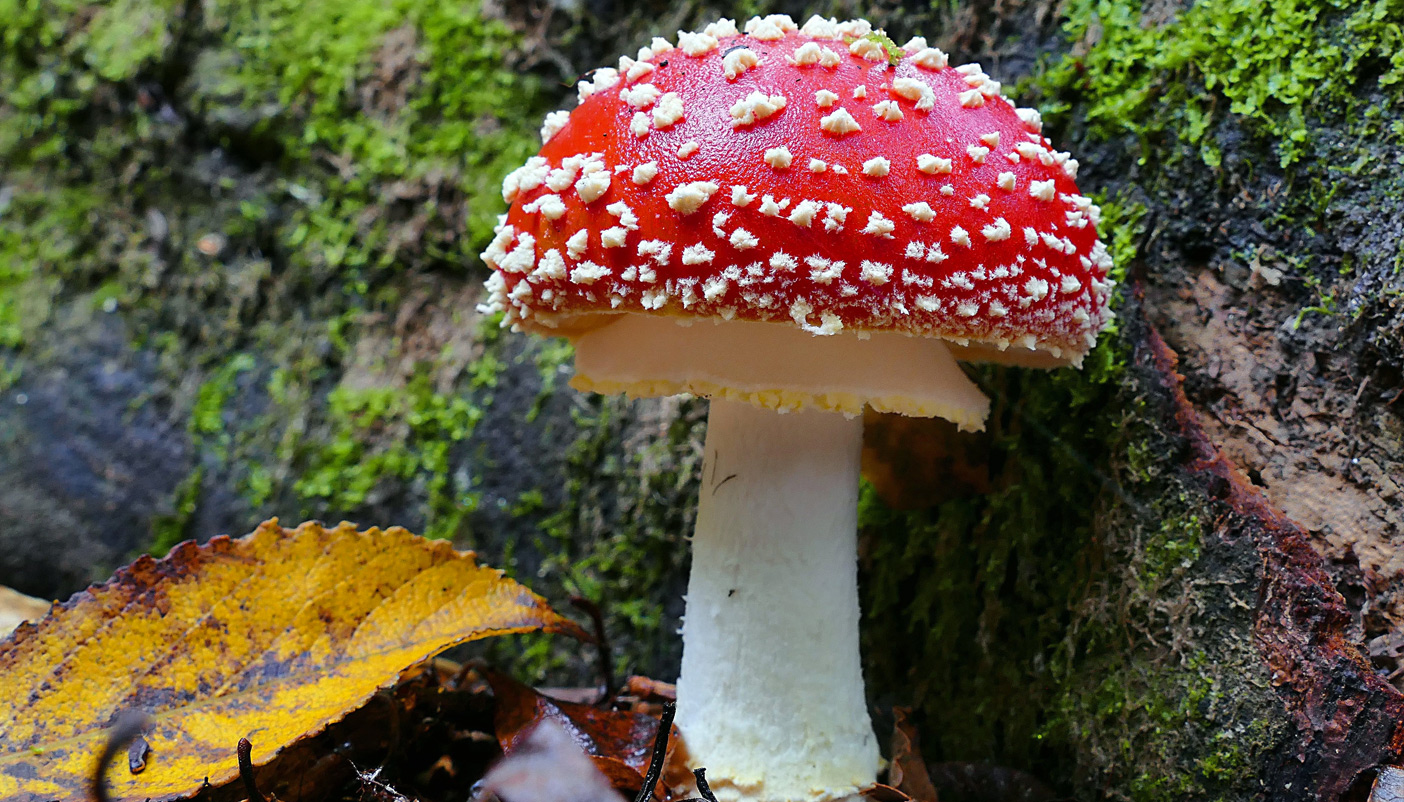
Fungi, particularly mushrooms, serve as a food source for a variety of forest animals, including insects, squirrels, deer, and even humans. They are an important part of the forest food web, providing essential nutrients and energy. Additionally, the fruiting bodies of fungi (mushrooms) and their mycelial networks provide habitat and shelter for numerous invertebrates.
Lichens: Pioneers and Bioindicators
Lichens, often found growing on tree bark and rocks, are fascinating composite organisms resulting from a symbiotic relationship between a fungus and an alga or cyanobacterium. In forests, lichens play a role as pioneer species, colonizing bare surfaces and contributing to soil formation. They are also excellent bioindicators, highly sensitive to air pollution, and their presence or absence can signal the health of the forest environment.
Conclusion
Fungi are the unsung heroes of forest ecosystems, performing essential functions that underpin the very existence of these vital biomes. From their role as decomposers and nutrient recyclers to their intricate mycorrhizal partnerships with plants, fungi are fundamental to forest health, productivity, and biodiversity. Recognizing and protecting the diverse world of fungi is not just an academic exercise; it is crucial for maintaining the resilience of our forests in the face of environmental change and for ensuring the continued provision of the invaluable ecosystem services they provide. The intricate dance between fungi and forests is a testament to the profound interconnectedness of life on Earth.