The Importance of Pollinators in Agricultural Ecosystems
The Importance of Pollinators in Agricultural Ecosystems
Pollinators, a diverse group of animals including bees, butterflies, moths, birds, and bats, play an indispensable role in both natural ecosystems and agricultural systems. Their work, often unseen and undervalued, is fundamental to the reproduction of flowering plants, including a significant portion of the crops that feed humanity. The intricate relationship between plants and pollinators is a cornerstone of ecological health and food security, making their conservation a critical global priority.
The Mechanism of Pollination
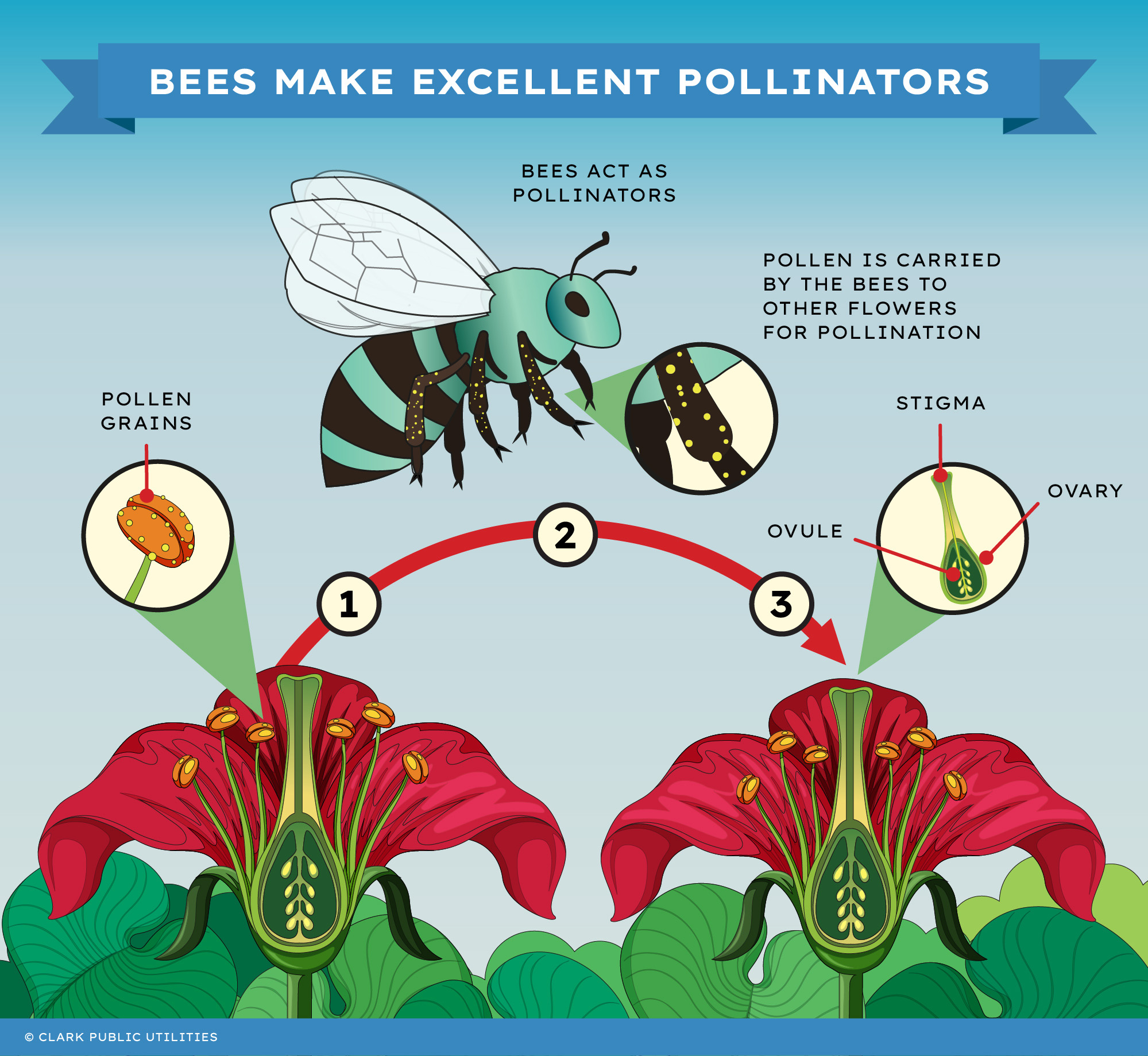
Pollination is the transfer of pollen from the anther (male part) to the stigma (female part) of a flower, enabling fertilization and the production of seeds and fruits. While some plants are wind-pollinated or self-pollinated, a vast number rely on animals to carry pollen between flowers. These animal pollinators are attracted to flowers by their vibrant colors, enticing scents, and nutrient-rich nectar and pollen.
As pollinators forage for food, pollen grains adhere to their bodies. When they visit another flower, some of this pollen is transferred to the stigma, initiating the reproductive process. This mutualistic relationship benefits both the plant, by ensuring its reproduction, and the pollinator, by providing essential food resources. The efficiency and success of this process are directly linked to the health and diversity of pollinator populations.
Impact on Food Security
Approximately 75% of the world's leading food crops, including fruits, vegetables, nuts, and seeds, depend on animal pollination to some extent for yield and quality. Crops such as apples, almonds, coffee, and cocoa are almost entirely reliant on pollinators. Without these crucial agents, the production of these foods would drastically decline, leading to significant economic losses for farmers and a severe reduction in the availability and diversity of nutritious foods for consumers.
Beyond direct food production, pollinators also support the growth of plants that provide forage for livestock, fibers for clothing, and medicinal compounds. The economic value of pollination services is estimated to be hundreds of billions of dollars annually, highlighting their immense contribution to global agriculture and economies. The decline in pollinator populations, therefore, poses a direct threat to global food security and economic stability.
Biodiversity and Ecosystem Health
Pollinators are not only vital for agriculture but also for maintaining the biodiversity and health of natural ecosystems. They facilitate the reproduction of wild flowering plants, which form the base of many food webs. These plants provide food and habitat for a multitude of other organisms, from insects to birds and mammals. A reduction in pollinator diversity can lead to a decline in plant diversity, which in turn can cascade through the ecosystem, affecting other species.
Healthy pollinator populations contribute to resilient ecosystems that are better able to withstand environmental changes and disturbances. They support genetic diversity in plant populations, which is crucial for adaptation to changing climates and resistance to diseases. The intricate web of life is sustained by these small but mighty creatures, and their well-being is a strong indicator of overall ecosystem health.
Threats to Pollinators
Despite their critical importance, pollinator populations worldwide are facing severe threats. Habitat loss and fragmentation due to urbanization and agricultural expansion are major drivers of decline, reducing the availability of nesting sites and food sources. Pesticide use, particularly systemic insecticides like neonicotinoids, can directly poison pollinators or weaken their immune systems, making them more susceptible to diseases.
Climate change also poses a significant threat, altering flowering times and geographic ranges of plants and pollinators, leading to mismatches in their synchronized life cycles. Diseases, parasites (such as the Varroa mite in honeybees), and invasive species further compound these challenges. The cumulative effect of these stressors is a worrying decline in many pollinator species, raising alarms among scientists and conservationists.
Conservation Efforts and Solutions
Recognizing the urgency of the situation, numerous conservation efforts are underway to protect pollinators. These include creating and restoring pollinator habitats, such as wildflower meadows and hedgerows, and promoting pollinator-friendly farming practices, such as reducing pesticide use and diversifying crops. Public awareness campaigns are also crucial to educate individuals about the importance of pollinators and how they can contribute to their conservation.
Policy changes, such as stricter regulations on pesticide use and incentives for sustainable agriculture, are also essential. International cooperation and research are vital to understand the complex factors driving pollinator decline and to develop effective, long-term solutions. By working together, we can ensure that these essential creatures continue to thrive and provide their invaluable services for generations to come.
Conclusion
Pollinators are unsung heroes of our planet, underpinning both our food systems and the health of natural ecosystems. Their tireless work ensures the reproduction of countless plants, providing food, habitat, and maintaining biodiversity. The threats they face are a stark reminder of the interconnectedness of life and the profound impact of human activities on the environment. Protecting pollinators is not just about saving individual species; it is about safeguarding the very foundations of our ecological and agricultural well-being. Our future depends on their survival.