The Importance of Citizen Science in Ecological Research
The Importance of Citizen Science in Ecological Research
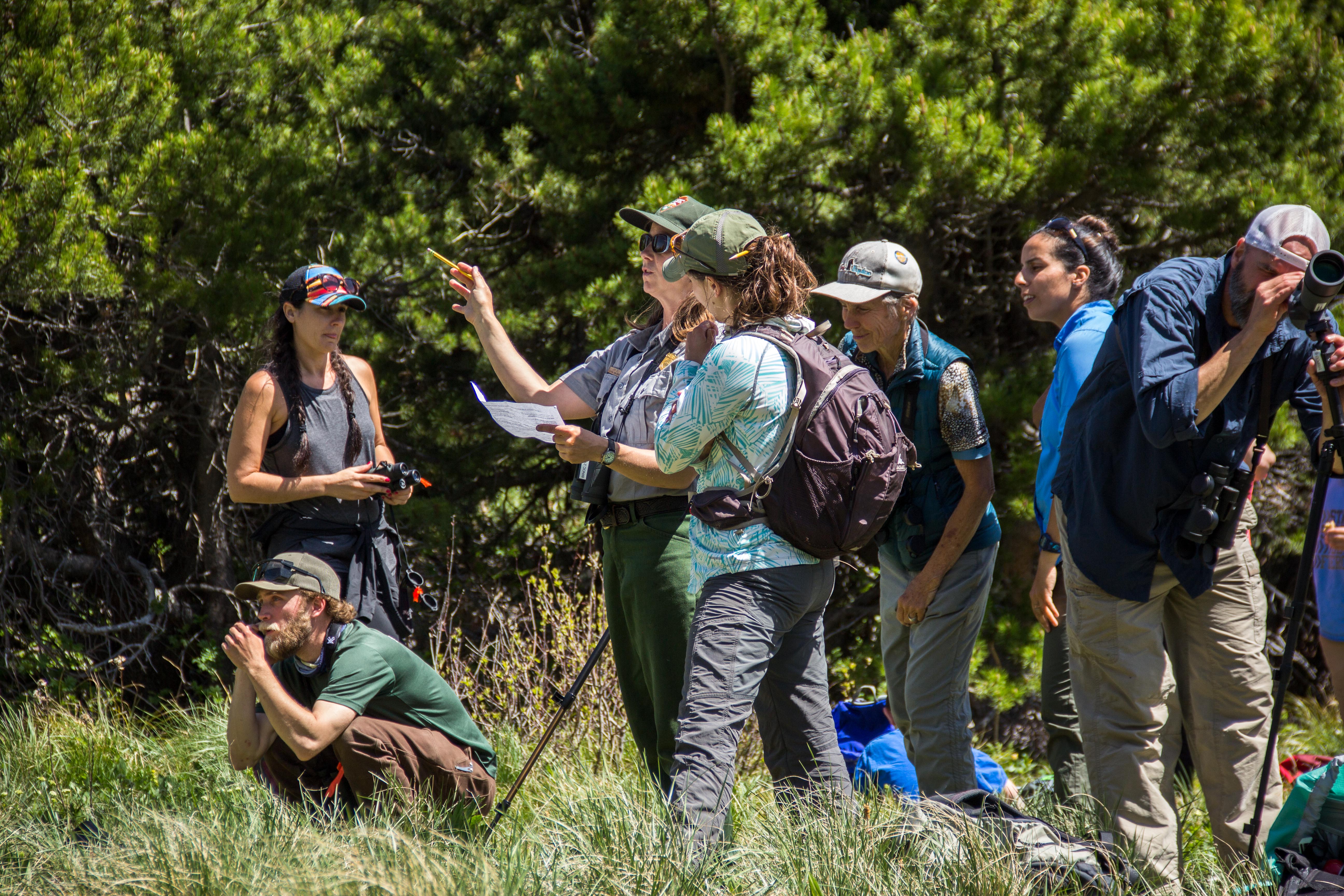
Citizen science, the involvement of the public in scientific research, has emerged as a powerful and increasingly vital tool in ecological studies. By engaging non-professional scientists in data collection, observation, and analysis, citizen science initiatives significantly expand the scope, scale, and resolution of ecological research. This collaborative approach not only provides invaluable data for understanding complex environmental issues but also fosters scientific literacy, community engagement, and a deeper connection to the natural world.
Expanding Data Collection Capabilities
One of the most significant contributions of citizen science to ecological research is its ability to generate vast amounts of data across broad geographic areas and over extended periods. Professional scientists often face limitations in terms of funding, personnel, and time, which can restrict the scale of their data collection efforts. Citizen scientists, however, can contribute observations from their local environments, filling critical data gaps and providing a more comprehensive picture of ecological phenomena.
For example, projects like eBird allow birdwatchers worldwide to submit their observations, creating an enormous database of bird distribution, abundance, and migration patterns. Similarly, initiatives focused on monitoring insect populations, plant phenology (timing of biological events), or water quality rely heavily on the consistent contributions of volunteers. This distributed data collection is particularly valuable for tracking long-term trends, detecting rare events, and understanding the impacts of environmental change on ecosystems.
Enhancing Scientific Understanding and Discovery
The sheer volume and spatial coverage of citizen science data can lead to new scientific discoveries and a deeper understanding of ecological processes. By analyzing large datasets, researchers can identify patterns, correlations, and anomalies that might otherwise go unnoticed. Citizen scientists have contributed to the discovery of new species, documented range shifts of plants and animals due to climate change, and provided early warnings of environmental threats.
Beyond data collection, some citizen science projects involve volunteers in data analysis, interpretation, and even experimental design. This deeper engagement can lead to novel insights and innovative approaches to research questions. The collaborative nature of citizen science fosters a sense of shared ownership in scientific discovery, blurring the lines between professional and amateur scientists.
Fostering Environmental Stewardship and Education
Participating in citizen science projects offers numerous benefits for the volunteers themselves. It provides hands-on learning experiences, enhancing scientific literacy and critical thinking skills. Volunteers gain a deeper understanding of ecological concepts, research methodologies, and the scientific process. This direct engagement with nature can foster a stronger sense of environmental stewardship and motivate individuals to take action for conservation.
For children and students, citizen science can be an engaging way to learn about science and the environment, sparking curiosity and potentially inspiring future careers in STEM fields. For adults, it offers an opportunity to contribute meaningfully to scientific knowledge, connect with like-minded individuals, and spend time outdoors. This educational aspect is crucial for building a more informed and environmentally conscious citizenry.
Challenges and Quality Control
While the benefits of citizen science are substantial, challenges exist, particularly regarding data quality and consistency. Volunteers may lack formal scientific training, leading to potential errors in observation or identification. To address these concerns, successful citizen science projects implement robust quality control measures, including:
- Standardized Protocols: Clear and easy-to-follow instructions for data collection.
- Training and Resources: Providing volunteers with field guides, online tutorials, and workshops.
- Expert Validation: Having experienced scientists review and verify submitted data.
- Data Aggregation and Analysis: Using statistical methods to account for potential biases or errors in large datasets.
- User-Friendly Platforms: Developing intuitive apps and websites that make data submission straightforward.
Many projects also employ a tiered approach, where more experienced volunteers take on more complex tasks, ensuring that data quality remains high.
Diverse Applications in Ecology
Citizen science is applied across a wide range of ecological disciplines:
- Biodiversity Monitoring: Tracking populations of birds, insects, plants, and marine life.
- Climate Change Research: Monitoring phenological changes (e.g., flowering times, bird migration) and their correlation with climate shifts.
- Pollution Monitoring: Assessing air and water quality, and tracking the spread of pollutants.
- Invasive Species Detection: Early detection of non-native species, crucial for rapid response.
- Habitat Restoration: Monitoring the success of restoration efforts and the return of native species.
Conclusion
Citizen science has revolutionized ecological research, transforming ordinary citizens into active participants in scientific discovery and environmental monitoring. By harnessing the collective power of engaged individuals, it provides an unprecedented capacity for data collection, enhances scientific understanding, and fosters a deeper connection between people and nature. As environmental challenges continue to mount, the role of citizen science will only grow in importance, empowering communities to contribute directly to the conservation and sustainable management of our planet's precious ecosystems. It is a testament to the idea that everyone, regardless of their scientific background, can play a vital role in understanding and protecting the natural world.