The Importance of Biodiversity in Urban Ecosystems
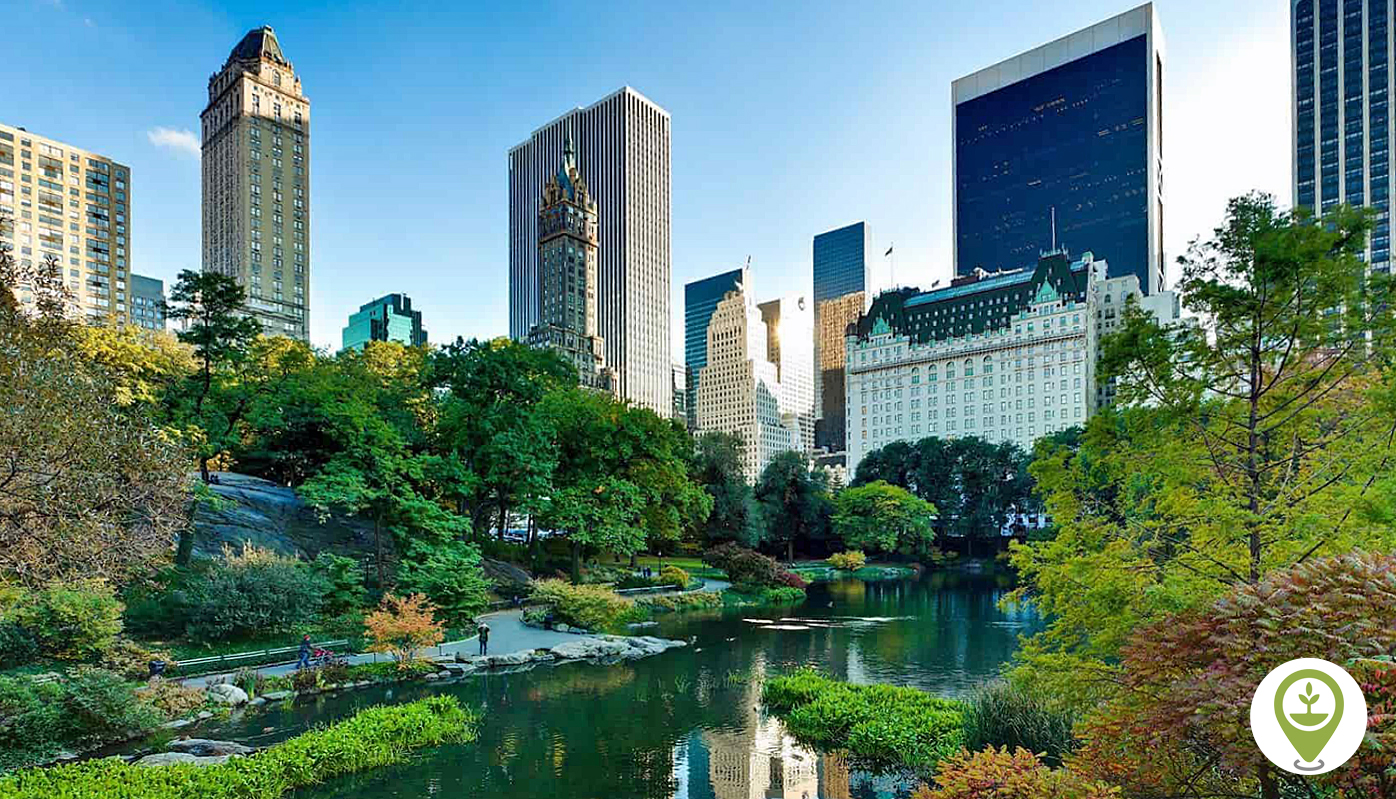
The Importance of Biodiversity in Urban Ecosystems
Urban ecosystems, often perceived as concrete jungles devoid of significant natural life, are in fact crucial arenas for biodiversity. The presence of diverse species within cities is not merely an aesthetic luxury but a fundamental component of urban health, resilience, and sustainability. Understanding and actively promoting biodiversity in these human-dominated landscapes is paramount for both ecological well-being and the quality of urban life.
Defining Urban Biodiversity
Urban biodiversity refers to the variety of life forms—plants, animals, fungi, and microorganisms—that exist within and around human settlements. This includes not only species adapted to urban environments but also those that utilize urban green spaces, waterways, and even built structures as habitats or migratory stopovers. Far from being biological deserts, many cities harbor a surprising array of species, often in fragmented and altered habitats [1].
Ecological Benefits of Urban Biodiversity
The ecological services provided by urban biodiversity are extensive and directly contribute to the functionality and liveability of cities:
1. Ecosystem Stability and Resilience
Biodiverse ecosystems are inherently more stable and resilient to disturbances, including climate change impacts. A wider range of species means a greater variety of functional traits, allowing ecosystems to adapt more effectively to environmental shifts. For instance, diverse plant communities can better withstand pest outbreaks or extreme weather events, ensuring continued ecosystem services [2].
2. Climate Change Mitigation and Adaptation
Urban biodiversity plays a significant role in both mitigating and adapting to climate change. Trees and green spaces, for example, sequester carbon dioxide, helping to reduce greenhouse gas concentrations. They also provide crucial cooling effects through evapotranspiration and shade, combating the urban heat island effect. Wetlands and diverse vegetation can absorb excess stormwater, reducing flood risks and recharging groundwater [3].
3. Improved Air and Water Quality
Plants act as natural filters, removing pollutants from the air and water. Trees and shrubs can trap particulate matter, while diverse microbial communities in soil and water bodies can break down contaminants. This natural purification process is vital for public health and reduces the burden on engineered infrastructure [4].
4. Pest and Disease Control
Biodiverse urban environments often support a wider range of natural predators and parasites, which can help control pest populations without the need for chemical interventions. Furthermore, diverse ecosystems have been linked to a reduction in the prevalence of certain diseases, such as West Nile Virus and Lyme Disease, by disrupting disease transmission cycles [5].
5. Pollination Services
Urban green spaces, including parks, gardens, and even roadside plantings, provide essential habitats for pollinators like bees, butterflies, and other insects. These pollinators are critical for the reproduction of many urban plants, including those in community gardens and urban farms, contributing to local food security and ecosystem health [6].
6. Soil Health and Nutrient Cycling
Healthy urban soils, supported by diverse microbial communities and plant life, are fundamental for nutrient cycling, water retention, and carbon storage. This improves the vitality of urban vegetation and contributes to overall ecosystem productivity [7].
Human Well-being Benefits
Beyond ecological functions, urban biodiversity profoundly impacts human health and well-being:
1. Enhanced Mental and Physical Health
Access to green spaces and nature has been consistently linked to improved mental health, reduced stress levels, and increased physical activity. Urban parks, community gardens, and natural areas provide opportunities for recreation, relaxation, and social interaction, fostering a sense of community and belonging [8].
2. Educational and Recreational Opportunities
Urban biodiversity offers invaluable educational opportunities for residents of all ages, promoting environmental literacy and a connection to nature. Birdwatching, nature walks, and citizen science projects can engage communities and foster a deeper appreciation for the natural world. These spaces also provide vital recreational outlets, enhancing quality of life [9].
3. Aesthetic Value and Quality of Life
Aesthetically pleasing green spaces, vibrant flora, and diverse wildlife enhance the beauty and attractiveness of urban environments. This contributes to a higher quality of life for residents and can even increase property values in areas with well-maintained natural amenities [10].
Challenges and Opportunities for Urban Biodiversity
Despite its importance, urban biodiversity faces numerous threats, including habitat loss and fragmentation, pollution, invasive species, and climate change. However, these challenges also present significant opportunities for innovative urban planning and conservation strategies.
Urban Planning and Design for Biodiversity
Integrating biodiversity considerations into urban planning and design is crucial. This includes:
- Green Infrastructure Development: Creating interconnected networks of green spaces, including parks, green roofs, vertical gardens, and permeable surfaces, to provide habitats and ecological corridors [11].
- Native Species Planting: Prioritizing native plants that are adapted to local conditions and provide better support for local wildlife [12].
- Restoration Projects: Rehabilitating degraded urban ecosystems, such as wetlands and riparian zones, to restore their ecological functions [13].
- Policy and Governance: Implementing policies that protect existing green spaces, regulate development, and promote biodiversity-friendly practices [14].
- Community Engagement: Involving local communities in conservation efforts through citizen science, community gardens, and educational programs [15].
Conclusion
The importance of biodiversity in urban ecosystems cannot be overstated. It underpins the ecological health, resilience, and sustainability of cities, while also providing profound benefits for human well-being. By embracing nature-inclusive urban planning and fostering a deeper connection with the natural world, cities can transform into vibrant, biodiverse hubs that thrive in harmony with the environment. Investing in urban biodiversity is not just an environmental imperative; it is an investment in the future of our cities and the health of their inhabitants.
References
[1] IUCN. (2023). Embracing biodiversity: Paving the way for nature-inclusive cities. Available at: https://iucn.org/story/202305/embracing-biodiversity-paving-way-nature-inclusive-cities [2] C40 Knowledge Hub. (n.d.). Why biodiversity matters for cities and the climate. Available at: https://www.c40knowledgehub.org/s/article/Why-biodiversity-matters-for-cities-and-the-climate?language=en_US [3] ICLEI. (n.d.). 10 reasons to promote urban biodiversity. Available at: https://talkofthecities.iclei.org/10-reasons-to-promote-urban-biodiversity/ [4] ScienceDirect. (2025). Biodiversity-friendly practices to support urban nature. Available at: https://www.sciencedirect.com/science/article/pii/S1618866725000160 [5] NCEL. (2025). Urban Biodiversity Fact Sheet. Available at: https://www.ncelenviro.org/resources/urban-biodiversity-fact-sheet/ [6] Construction21. (2025). Urban Biodiversity: The Role of Blue-Green Infrastructure. Available at: https://www.construction21.org/articles/h/urban-biodiversity-the-role-of-blue-green-infrastructure.html [7] DeepRoot. (2024). Urban Biodiversity: The Future of Conservation. Available at: https://www.deeproot.com/blog/blog-entries/urban-biodiversity/ [8] Nature. (2025). Promoting urban biodiversity for the benefit of people and. Available at: https://www.nature.com/articles/s44358-025-00035-y [9] Institute of Sustainability Studies. (2024). Urban biodiversity: How cities can drive conservation efforts. Available at: https://instituteofsustainabilitystudies.com/insights/lexicon/reviving-urban-biodiversity-how-cities-can-drive-nature-conservation/ [10] BioScience. (2017). Planning for the Future of Urban Biodiversity: A Global Review. Available at: https://academic.oup.com/bioscience/article/67/4/332/3065740 [11] IUCN. (2025). Urban biodiversity in action: How cities are building. Available at: https://iucn.org/news/202505/urban-biodiversity-action-how-cities-are-building-resilient-nature-inclusive [12] C40 Knowledge Hub. (n.d.). How to enhance, restore and protect biodiversity in your city. Available at: https://www.c40knowledgehub.org/s/article/How-to-enhance-restore-and-protect-biodiversity-in-your-city [13] Columbia University. (n.d.). Urban Ecosystems and Biodiversity. Available at: https://uccrn.ei.columbia.edu/sites/default/files/content/pubs/ARC3.2-PDF-Chapter-8-Ecosystems-and-Biodiversity-wecompress.com_.pdf [14] EPA. (2023). Urban Ecosystems and Biodiversity - Risk Assessment. Available at: https://assessments.epa.gov/risk/document/&deid%3D357898 [15] ScienceDirect. (2018). The seven lamps of planning for biodiversity in the city. Available at: https://www.sciencedirect.com/science/article/pii/S0264275117314245