The Impact of Plastic Pollution on Marine Ecosystems
The Impact of Plastic Pollution on Marine Ecosystems
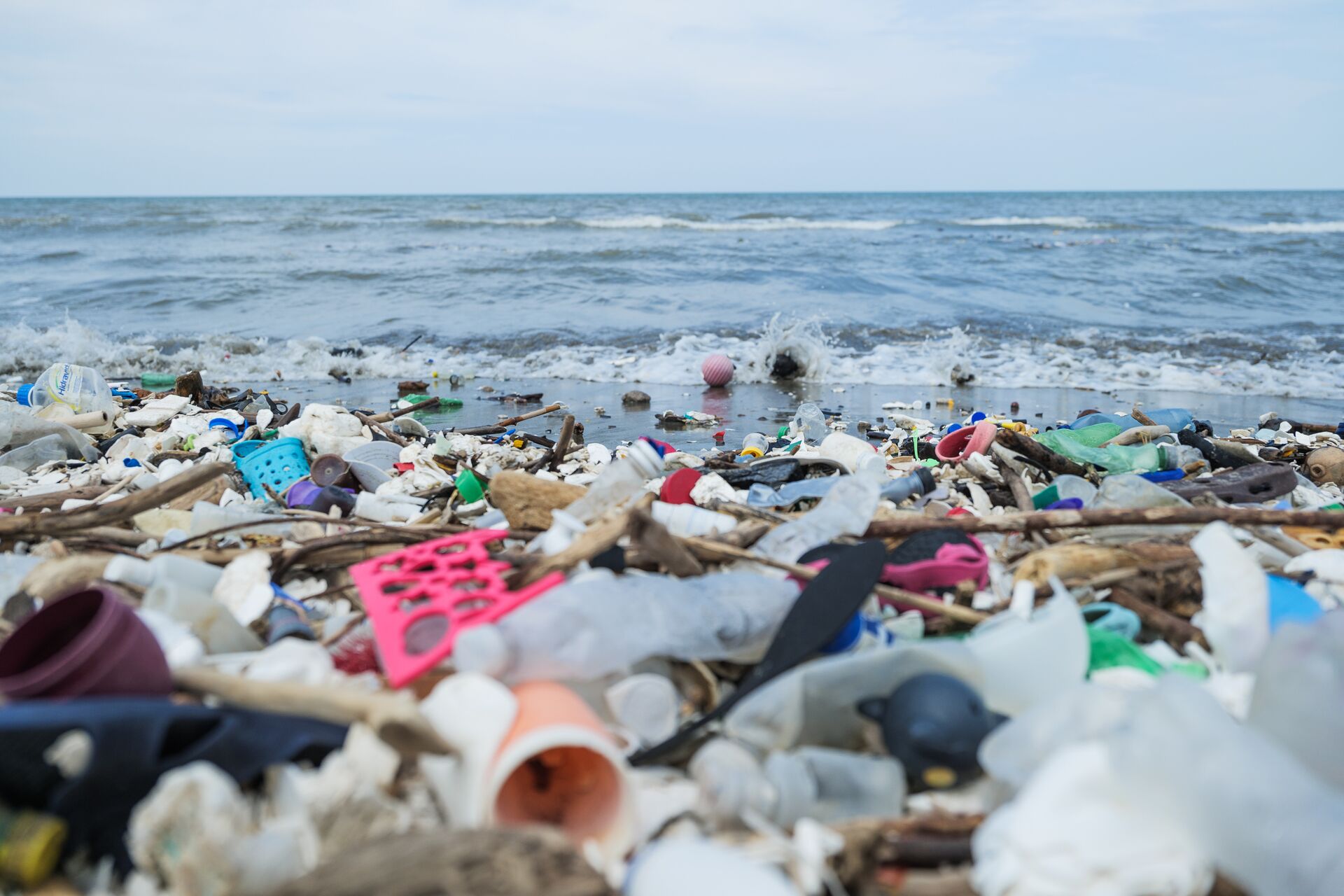
Plastic pollution has emerged as one of the most pervasive and visible environmental crises of our time, with marine ecosystems bearing the brunt of its devastating impact. From the smallest plankton to the largest whales, marine life is increasingly exposed to plastic debris, leading to a cascade of ecological problems. Understanding the sources, pathways, and consequences of plastic pollution is crucial for developing effective strategies to protect our oceans and the myriad species that call them home.
The Ubiquity of Plastic in Oceans
Plastic, a durable and versatile material, has become indispensable in modern society. However, its persistence in the environment, coupled with inadequate waste management, has led to an alarming accumulation in marine environments. Millions of tons of plastic enter the oceans annually, originating from land-based sources (e.g., litter, landfills, industrial discharge) and marine activities (e.g., fishing gear, shipping).
Once in the ocean, plastic debris can travel vast distances, accumulating in ocean gyres to form massive "garbage patches," though these are more akin to plastic soup than solid islands. Over time, larger plastic items break down into smaller fragments known as microplastics (less than 5mm) and nanoplastics (less than 100 nanometers) due to UV radiation, wave action, and abrasion. These tiny particles are ubiquitous, found from the ocean surface to the deepest trenches, and from polar ice to tropical beaches.
Impacts on Marine Life
The consequences of plastic pollution for marine organisms are diverse and often fatal:
1. Entanglement
Larger plastic debris, particularly abandoned, lost, or otherwise discarded fishing gear (ALDFG), poses a significant entanglement risk to marine animals. Seals, sea lions, turtles, birds, and whales can become trapped in nets, lines, and plastic rings, leading to injuries, starvation, drowning, and suffocation. This "ghost fishing" continues to harm marine life for decades after the gear is lost.
2. Ingestion
Marine animals often mistake plastic debris for food. Turtles confuse plastic bags with jellyfish, seabirds feed plastic pellets to their chicks, and fish and invertebrates ingest microplastics. Ingested plastic can cause internal injuries, block digestive tracts, reduce feeding drive (leading to starvation), and leach toxic chemicals into the animals' tissues. This can affect growth, reproduction, and overall health.
3. Bioaccumulation and Biomagnification
Plastics act as sponges, absorbing persistent organic pollutants (POPs) from seawater. When marine organisms ingest these plastics, the associated toxins can transfer to their tissues. This process, known as bioaccumulation, means that as plastic moves up the food chain, the concentration of these toxins can increase at higher trophic levels (biomagnification), potentially impacting top predators, including humans who consume seafood.
4. Habitat Degradation
Plastic debris can physically alter marine habitats. Accumulations of plastic can smother coral reefs, seagrass beds, and mangrove forests, destroying critical breeding and feeding grounds. Microplastics can also alter sediment composition, impacting benthic (bottom-dwelling) organisms and the ecological functions they provide.
5. Introduction of Invasive Species
Plastic debris can act as rafts, transporting marine organisms across ocean basins. This facilitates the spread of invasive species to new environments, disrupting local ecosystems and potentially outcompeting native species. This phenomenon is particularly concerning in areas like remote islands, which are highly vulnerable to biological invasions.
Human Health and Economic Impacts
The impacts of marine plastic pollution extend to human health and economies. Microplastics have been found in seafood, sea salt, and even drinking water, raising concerns about their potential effects on human health, though research in this area is ongoing. Economically, plastic pollution harms fisheries, tourism, and coastal communities. It increases cleanup costs, damages fishing gear, and reduces the aesthetic appeal of beaches and coastal areas.
Solutions and Mitigation Strategies
Addressing marine plastic pollution requires a comprehensive, multi-faceted approach that tackles the problem at its source and throughout its lifecycle:
1. Reduce Plastic Production and Consumption
The most effective solution is to reduce the demand for virgin plastics and shift towards a circular economy model. This involves promoting reusable alternatives, innovative packaging designs, and policies that discourage single-use plastics.
2. Improve Waste Management and Recycling
Strengthening waste collection, sorting, and recycling infrastructure, particularly in developing countries, is crucial to prevent plastic from entering the environment. Investing in advanced recycling technologies and developing biodegradable alternatives are also important.
3. Cleanup Efforts
While not a standalone solution, targeted cleanup efforts in rivers, coastlines, and oceans can remove existing plastic debris. Technologies like ocean cleanup systems and community beach cleanups play a role in mitigating current pollution.
4. Policy and Regulation
Governments worldwide are implementing policies such as plastic bag bans, extended producer responsibility schemes, and international agreements to combat marine plastic pollution. Stronger regulations on industrial plastic discharge and microplastic use in products are also needed.
5. Research and Innovation
Continued research into the impacts of plastic pollution, development of sustainable materials, and innovative cleanup technologies are essential for long-term solutions.
Conclusion
Plastic pollution represents a grave threat to the health and biodiversity of our marine ecosystems. Its pervasive nature and devastating consequences for marine life, human health, and economies demand urgent and concerted global action. By reducing our reliance on single-use plastics, improving waste management, and investing in sustainable alternatives, we can stem the tide of plastic entering our oceans. Protecting these vital ecosystems from plastic pollution is not just an environmental responsibility but a fundamental commitment to the future of our planet and all its inhabitants.