The Impact of Light Pollution on Nocturnal Ecosystems
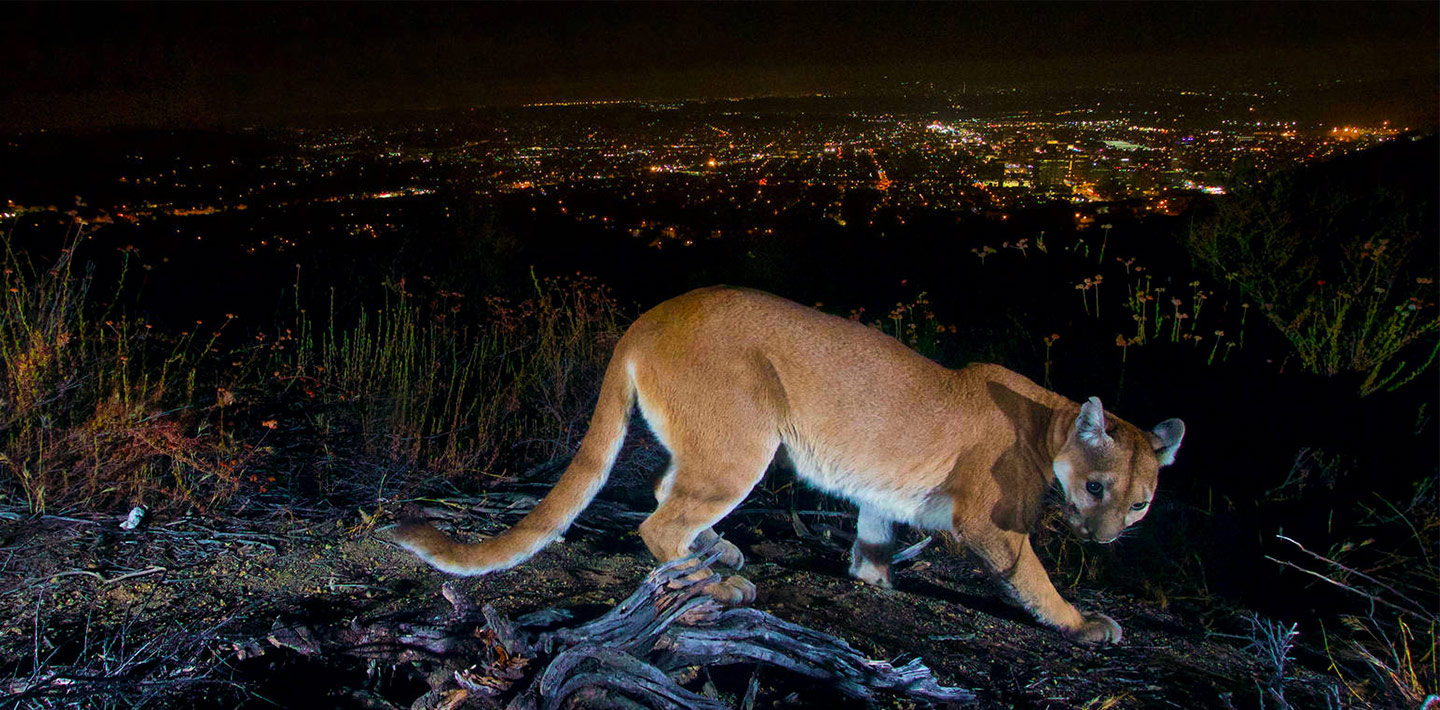
The Impact of Light Pollution on Nocturnal Ecosystems
Light pollution, defined as excessive, misdirected, or obtrusive artificial light, is a rapidly growing environmental concern that profoundly impacts nocturnal ecosystems worldwide. While artificial light has transformed human societies, extending our activities into the night, it has inadvertently disrupted the natural rhythms of countless species that rely on darkness for survival. Understanding the ecological consequences of light pollution is crucial for mitigating its harmful effects and preserving the delicate balance of nocturnal environments.
Disruption of Circadian Rhythms
Many organisms, from plants to animals, have evolved intricate circadian rhythms – internal biological clocks that regulate their daily cycles of activity, feeding, reproduction, and sleep. These rhythms are primarily synchronized by natural light-dark cycles. Artificial light at night (ALAN) can disrupt these natural cues, leading to a desynchronization of biological processes.
For nocturnal animals, ALAN can suppress the production of melatonin, a hormone critical for regulating sleep and other physiological functions. This disruption can lead to chronic stress, weakened immune systems, and altered reproductive cycles, ultimately impacting their fitness and survival. The subtle yet pervasive influence of ALAN on circadian rhythms can have far-reaching consequences for entire ecosystems.
Impacts on Animal Behavior
Light pollution significantly alters the behavior of nocturnal animals, often with detrimental outcomes:
1. Disorientation and Attraction
Many nocturnal insects, such as moths, are irresistibly drawn to artificial lights, a phenomenon known as positive phototaxis. This attraction can lead to their exhaustion, increased predation risk, and disruption of foraging and reproductive activities. The massive decline in insect populations observed globally is partly attributed to light pollution, with cascading effects on the food webs that depend on them.
Migratory birds, sea turtles, and even fish can become disoriented by ALAN. Hatchling sea turtles, for instance, instinctively navigate towards the brighter horizon of the moonlit ocean. Artificial lights on beaches can lure them inland, where they face dehydration, predation, and death. Migratory birds, especially during foggy conditions, can become trapped in beams of light from tall buildings, leading to collisions and exhaustion.
2. Altered Foraging and Predation
ALAN can create artificial "daylight" conditions, altering the foraging behavior of both predators and prey. Nocturnal predators, like owls and bats, may extend their hunting periods or shift their hunting grounds, increasing pressure on prey species. Conversely, prey animals, such as small mammals, may avoid brightly lit areas, reducing their access to food resources and fragmenting their habitats.
3. Reproductive Interference
Reproductive cycles in many species are sensitive to light cues. ALAN can interfere with mating rituals, nest site selection, and the timing of breeding. For example, some frog species rely on specific light conditions for their breeding calls, and artificial light can disrupt these crucial signals. The altered timing of reproductive events can lead to reduced reproductive success and population declines.
Impacts on Plant Ecology
While plants do not move, they are also affected by light pollution. ALAN can disrupt photoperiodism, the physiological response of organisms to the length of day or night. This can alter flowering times, bud burst, and leaf senescence, potentially leading to mismatches with pollinator activity or seasonal changes. For instance, trees exposed to streetlights may retain their leaves longer in autumn, making them more susceptible to early frosts.
Human Health and Economic Impacts
Beyond ecological impacts, light pollution also affects human health, disrupting sleep patterns and potentially increasing the risk of certain diseases. Economically, excessive lighting is a waste of energy, contributing to unnecessary carbon emissions and higher electricity bills. The loss of the natural night sky also diminishes cultural heritage and opportunities for astronomical observation.
Solutions and Mitigation Strategies
Addressing light pollution requires a multi-faceted approach that balances human needs for safety and visibility with the ecological imperative to preserve natural darkness:
1. Shielding and Directional Lighting
Using fully shielded fixtures that direct light downwards prevents light from escaping upwards or sideways, reducing skyglow and glare. This ensures light is used only where and when needed.
2. Warm Color Temperatures
Switching to warmer color temperature lights (e.g., amber or red light with a color temperature below 3000K) reduces the amount of blue light emitted. Blue light has been shown to be particularly disruptive to nocturnal animals and human circadian rhythms.
3. Dimming and Timers
Implementing dimming technologies, motion sensors, and timers allows for light levels to be reduced or turned off during periods of low activity, conserving energy and minimizing ecological impact.
4. Public Education and Policy
Raising public awareness about the impacts of light pollution and advocating for dark-sky friendly lighting policies at local, regional, and national levels are crucial. Establishing dark-sky preserves can protect pristine nocturnal environments.
5. Research and Innovation
Continued research into the ecological effects of different light spectra and intensities, and the development of innovative lighting technologies that minimize environmental harm, are essential.
Conclusion
Light pollution is a pervasive and often underestimated threat to nocturnal ecosystems, disrupting circadian rhythms, altering animal behavior, and impacting plant ecology. Its silent spread has profound consequences for biodiversity and ecosystem health. By adopting responsible lighting practices – shielding, using warmer color temperatures, dimming, and implementing smart controls – we can significantly reduce our nocturnal footprint. Preserving natural darkness is not just about protecting the stars; it is about safeguarding the intricate web of life that thrives under the cover of night, ensuring the health and resilience of our planet for future generations.