The Impact of Deforestation on Global Climate
The Impact of Deforestation on Global Climate
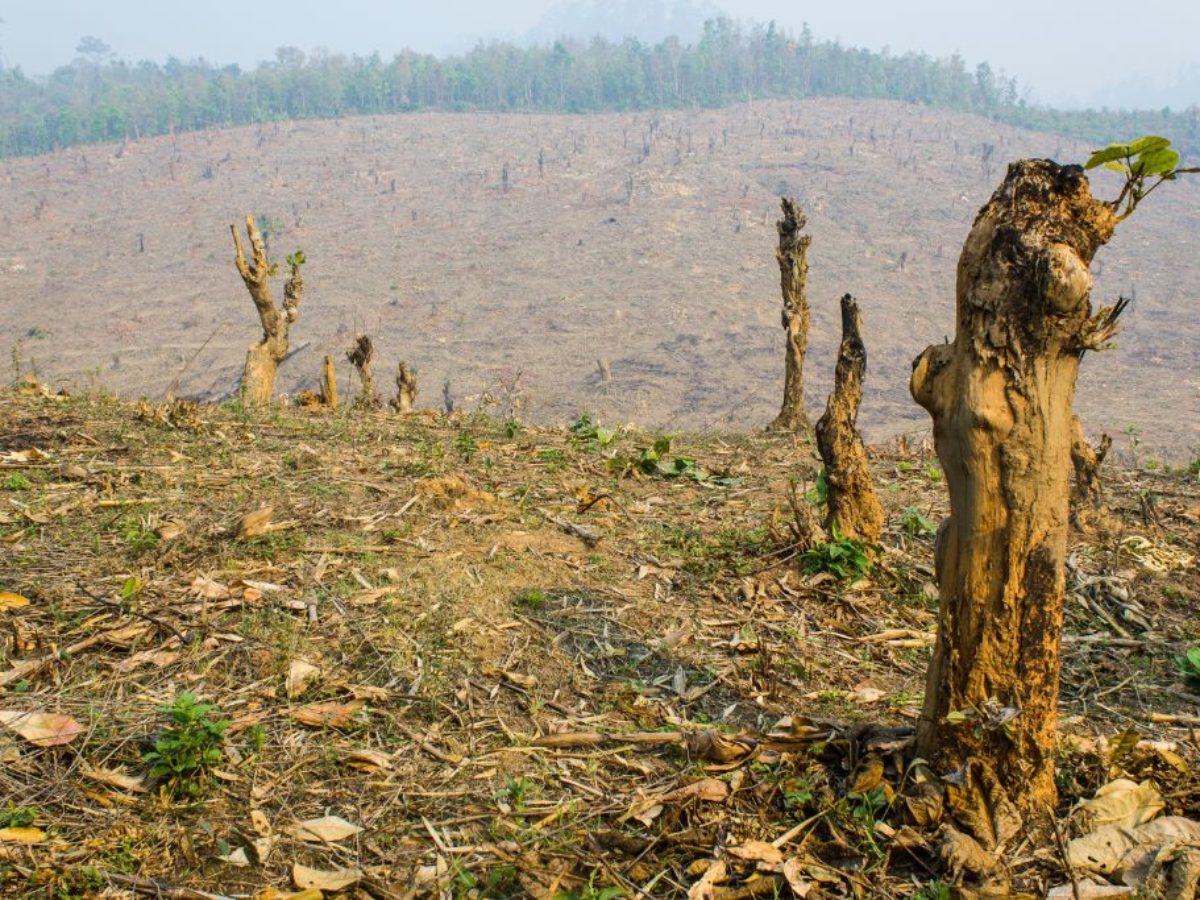
Deforestation, the clearing of forests for other land uses, is a pervasive environmental issue with far-reaching consequences, particularly for the global climate. Forests, especially tropical rainforests, are often referred to as the "lungs of the Earth" due to their critical role in regulating atmospheric composition. The widespread destruction of these vital ecosystems contributes significantly to climate change, exacerbating its effects and threatening the delicate balance of our planet.
Carbon Cycle Disruption
One of the most direct impacts of deforestation on global climate is its disruption of the carbon cycle. Trees and other forest vegetation absorb vast amounts of carbon dioxide (CO2) from the atmosphere through photosynthesis, storing it in their biomass (wood, leaves, roots) and in the soil. This process makes forests significant carbon sinks, helping to mitigate the accumulation of greenhouse gases in the atmosphere.
When forests are cleared, especially through burning, the stored carbon is released back into the atmosphere as CO2, contributing to the greenhouse effect and global warming. Furthermore, the removal of trees eliminates the capacity of these areas to absorb future CO2 emissions, creating a double negative impact. Deforestation is estimated to be responsible for a substantial portion of global greenhouse gas emissions, making it a key driver of climate change.
Reduced Transpiration and Local Climate Change
Forests play a crucial role in the hydrological cycle through transpiration, the process by which plants release water vapor into the atmosphere. This process contributes to cloud formation and rainfall, influencing local and regional climate patterns. Large forests, such as the Amazon rainforest, generate their own rainfall, creating a self-sustaining system.
Deforestation reduces transpiration, leading to decreased cloud cover and rainfall, and increased surface temperatures. This can result in localized droughts, altered weather patterns, and increased vulnerability to wildfires. These changes in local climate can have cascading effects on agriculture, water availability, and biodiversity, further destabilizing ecosystems and human communities.
Albedo Effect and Surface Temperature
Another way deforestation influences climate is through changes in the Earth's albedo, or reflectivity. Forests typically have a lower albedo than cleared land, meaning they absorb more solar radiation. However, the complex canopy structure of forests also promotes evaporative cooling and cloud formation, which can have a net cooling effect.
When forests are replaced by agricultural land or urban areas, the albedo can change. In some cases, cleared land, especially if it's light-colored or covered in snow for part of the year, can reflect more sunlight, leading to a localized cooling effect. However, this effect is often outweighed by the loss of carbon sequestration and the reduction in evaporative cooling, resulting in an overall warming trend, particularly in tropical regions where deforestation is most prevalent.
Biodiversity Loss and Ecosystem Resilience
While not a direct climatic impact, the immense biodiversity loss associated with deforestation indirectly affects climate resilience. Forests are home to a vast array of species, many of which play critical roles in ecosystem functioning, including nutrient cycling, pest control, and pollination. The loss of these species can weaken ecosystem health and reduce their ability to adapt to climate change.
Furthermore, diverse ecosystems are generally more resilient to environmental disturbances. The simplification of ecosystems through deforestation makes them more susceptible to the impacts of climate change, such as extreme weather events, pest outbreaks, and disease. Maintaining biodiversity is therefore crucial for preserving the natural mechanisms that help regulate climate and support life on Earth.
Global Feedback Loops
The impacts of deforestation are not isolated but contribute to complex global feedback loops that can accelerate climate change. For example, increased atmospheric CO2 from deforestation leads to higher global temperatures, which can, in turn, increase the frequency and intensity of wildfires, leading to further deforestation and CO2 emissions. This creates a vicious cycle that is difficult to break.
Melting glaciers and ice caps, driven by global warming, also contribute to sea-level rise, threatening coastal ecosystems and communities. The loss of forests can also affect ocean currents and atmospheric circulation patterns, potentially leading to more extreme weather events globally. Understanding these interconnected feedback loops is essential for developing effective strategies to combat climate change.
Conclusion
Deforestation is a critical factor in global climate change, primarily through its disruption of the carbon cycle, alteration of hydrological patterns, and impact on surface temperatures. Beyond these direct effects, it contributes to biodiversity loss and triggers complex feedback loops that can accelerate warming. Addressing deforestation through sustainable forest management, reforestation, and conservation efforts is not just an environmental imperative but a crucial step towards stabilizing our climate and ensuring a habitable planet for future generations. The health of our forests is inextricably linked to the health of our planet.