The Future of Conservation: Integrating Technology and Community
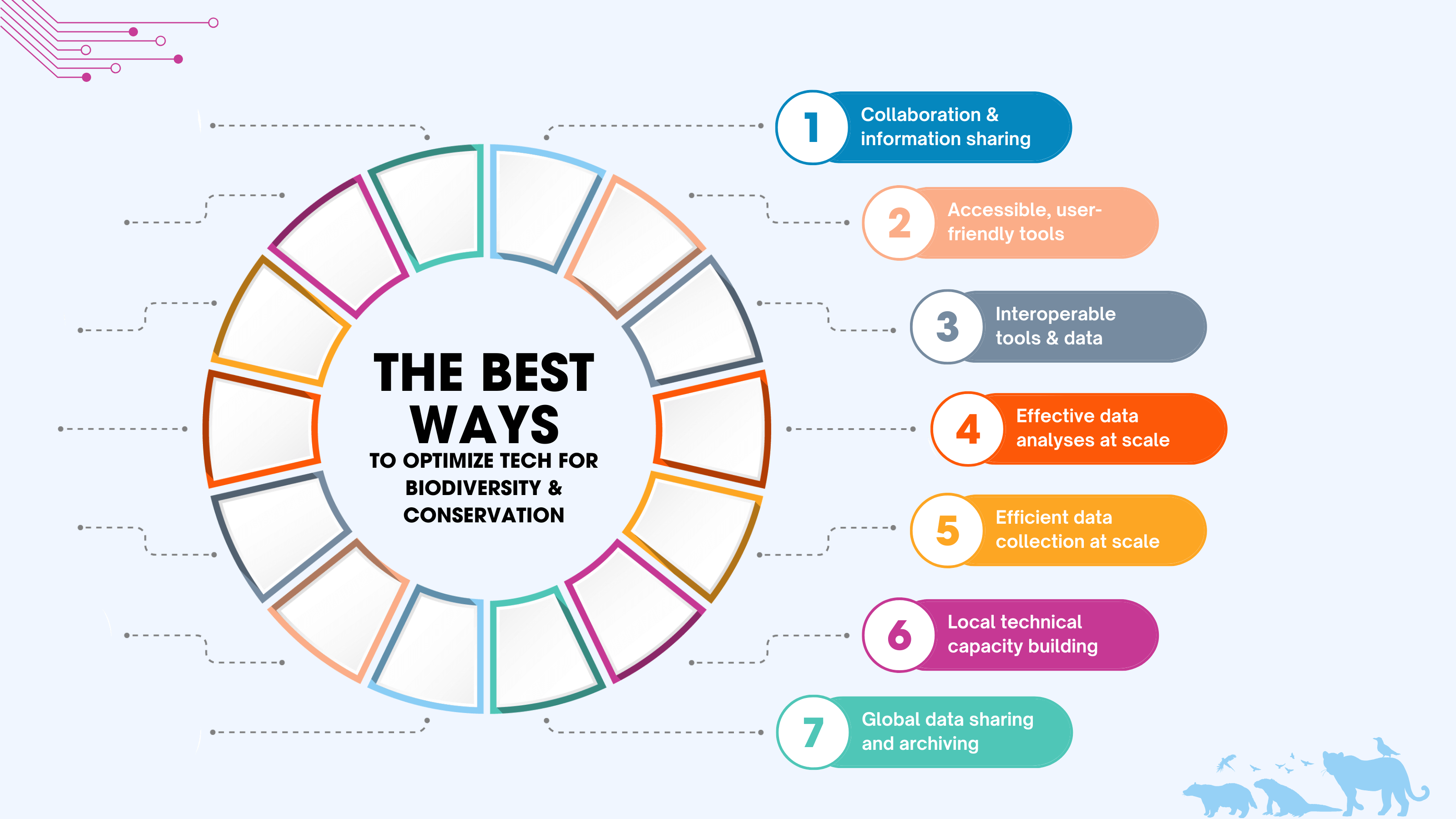
The Future of Conservation: Integrating Technology and Community
Conservation efforts have historically relied on traditional methods such as protected areas, species recovery programs, and policy advocacy. While these approaches remain vital, the escalating pace of environmental degradation and climate change demands innovative solutions. The future of conservation lies in a dynamic integration of cutting-edge technology with robust community engagement, creating a more effective, inclusive, and scalable approach to protecting our planet.
Technology as an Enabler for Conservation
Technological advancements are revolutionizing how we monitor, understand, and protect ecosystems and species. These tools provide unprecedented capabilities for data collection, analysis, and rapid response:
1. Remote Sensing and Satellite Imagery
Satellites and drones equipped with advanced sensors can monitor vast, remote areas, detecting deforestation, illegal mining, wildlife poaching, and changes in land use in near real-time. This allows conservationists to identify threats quickly and deploy resources more effectively. For example, satellite data can track the movement of migratory species, assess habitat loss, and monitor the health of coral reefs over large scales.
2. Artificial Intelligence and Machine Learning
AI and machine learning algorithms can process massive datasets from remote sensing, acoustic sensors, and camera traps to identify patterns, predict threats, and even recognize individual animals. AI-powered image recognition can rapidly sort through thousands of camera trap photos to identify species and detect poachers. Predictive modeling can forecast areas at high risk of deforestation or wildfire, enabling proactive conservation measures.
3. DNA Barcoding and Environmental DNA (eDNA)
Genetic technologies like DNA barcoding allow for rapid and accurate identification of species from small tissue samples. Environmental DNA (eDNA) analysis, which involves collecting DNA shed by organisms into water or soil, can detect the presence of rare or elusive species without direct observation. This non-invasive method is transforming biodiversity surveys and monitoring, providing insights into species distribution and population health.
4. Acoustic Monitoring
Autonomous acoustic sensors can continuously record sounds in remote environments, capturing animal vocalizations, gunshots (indicating poaching), or the sounds of logging equipment. AI can then analyze these recordings to identify specific species, track their activity, and alert authorities to illegal activities, providing a cost-effective way to monitor large areas.
5. Blockchain for Sustainable Supply Chains
Blockchain technology offers a transparent and immutable ledger for tracking products from source to consumer. This can help combat illegal wildlife trade, ensure sustainable sourcing of timber and seafood, and verify the ethical origins of agricultural products, empowering consumers to make informed choices.
The Indispensable Role of Community Engagement
While technology provides powerful tools, successful conservation ultimately depends on the active participation and stewardship of local communities. Integrating traditional ecological knowledge with scientific approaches creates more robust and culturally appropriate conservation strategies:
1. Local Knowledge and Traditional Practices
Indigenous peoples and local communities often possess deep, generational knowledge of their ecosystems, including seasonal patterns, species behavior, and sustainable resource management practices. Integrating this traditional ecological knowledge (TEK) with scientific data can lead to more effective and culturally sensitive conservation outcomes. For example, TEK can inform the timing of controlled burns or sustainable harvesting practices.
2. Community-Based Conservation (CBC)
CBC empowers local communities to manage and benefit from their natural resources. When communities have a vested interest in conservation, they become powerful advocates and protectors of their environment. This can involve establishing community conservancies, developing sustainable livelihoods (e.g., ecotourism, sustainable agriculture), and involving locals in decision-making processes. Projects like Namibia's communal conservancies have demonstrated remarkable success in increasing wildlife populations and improving local economies.
3. Citizen Science and Education
As discussed previously, citizen science projects engage the public in data collection, fostering scientific literacy and a sense of ownership over conservation efforts. Educational programs that raise awareness about environmental issues and promote sustainable behaviors are crucial for building a conservation ethic within communities.
4. Equitable Benefit Sharing
Ensuring that local communities receive fair and equitable benefits from conservation initiatives (e.g., through ecotourism revenue, sustainable resource use) is essential for long-term success. This helps to alleviate poverty and reduce pressures on natural resources, fostering a positive relationship between people and nature.
The Synergistic Approach
The true power of future conservation lies in the synergy between technology and community. Technology can provide the data and insights needed to identify problems and monitor progress, while community engagement ensures that solutions are locally relevant, sustainable, and equitable. For instance:
- Anti-Poaching: Drones and AI can detect poachers, while local rangers, often drawn from the community, can respond effectively.
- Sustainable Resource Management: Satellite imagery can monitor forest health, and local communities can implement sustainable logging or harvesting practices based on this data.
- Climate Resilience: Climate models can predict environmental changes, and communities can use their traditional knowledge to adapt agricultural practices or restore ecosystems.
Conclusion
The future of conservation is a collaborative frontier, where the precision and reach of technology merge with the wisdom and stewardship of local communities. This integrated approach offers the most promising pathway to address the complex and interconnected environmental challenges of our time. By leveraging remote sensing, AI, genetic tools, and acoustic monitoring, while simultaneously empowering and engaging indigenous peoples and local communities, we can build a more resilient, equitable, and biodiverse future. The health of our planet depends on our ability to innovate, collaborate, and act collectively to protect the natural world that sustains us all.