The Ecology of Rivers: Lifelines of the Landscape
The Ecology of Rivers: Lifelines of the Landscape
Rivers are dynamic and vital ecosystems, often described as the "arteries of the Earth," flowing through landscapes and connecting diverse habitats. From their headwaters in mountains or uplands to their mouths at oceans, lakes, or other rivers, these flowing bodies of water are critical for biodiversity, water supply, nutrient transport, and shaping the very geography of continents. The ecology of rivers is complex, influenced by physical characteristics, chemical composition, and the intricate web of life they support.
1. Physical Characteristics and Zonation
River ecosystems are characterized by their unidirectional flow, which constantly shapes their physical environment. The speed of the current, substrate composition (rock, gravel, sand, silt), temperature, and oxygen levels vary significantly along a river's course, creating distinct zones with specialized communities of organisms.
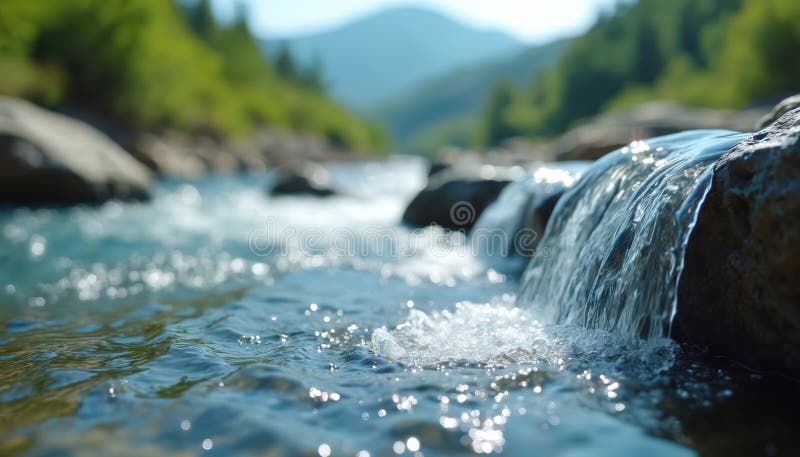
- Headwaters (Riffle Zone): Typically cold, clear, fast-flowing, and oxygen-rich. The substrate is often rocky, providing attachment points for algae and invertebrates. Organisms here are adapted to strong currents, often having flattened bodies or suction cups.
- Mid-reaches (Run Zone): As the river widens and slows, temperatures increase, and sediment load rises. A mix of riffles and pools provides diverse habitats. Fish diversity often increases here.
- Lower Reaches (Pool Zone): Near the mouth, rivers are typically wide, slow-moving, warmer, and often turbid with fine sediments. Oxygen levels can be lower. Organisms here are adapted to slower currents and silty bottoms.
This longitudinal zonation, known as the River Continuum Concept, helps explain the distribution of species and ecological processes along a river.
2. Biodiversity and Adaptations
Rivers support a rich array of biodiversity, including fish, amphibians, reptiles, birds, mammals, and countless invertebrate species. Organisms in rivers exhibit remarkable adaptations to their flowing environment:
- Fish: Many river fish are streamlined to reduce drag, while others, like catfish, are bottom-dwellers. Some, like salmon, are anadromous, migrating from the ocean to spawn in freshwater rivers.
- Invertebrates: Aquatic insects (e.g., mayflies, caddisflies, stoneflies) are crucial components of river food webs. Many have specialized gills for oxygen uptake in fast-flowing water or cases made of pebbles for protection and camouflage.
- Plants: Algae and mosses cling to rocks in fast currents, while emergent and submerged macrophytes (larger plants) thrive in slower-moving sections, providing food and shelter.
- Riparian Zone: The land adjacent to the river (riparian zone) is an ecotone, a transition area between aquatic and terrestrial ecosystems. It is incredibly biodiverse, providing critical habitat, filtering runoff, and stabilizing banks.
3. Nutrient Cycling and Energy Flow
Rivers are vital for transporting nutrients and organic matter from land to sea. They act as conduits, carrying dissolved minerals, sediments, and detritus (dead organic material) downstream. This transport process is fundamental to the productivity of downstream ecosystems, including estuaries and coastal waters.
The primary energy source in headwater streams often comes from allochthonous inputs – organic matter (leaves, wood) falling from riparian vegetation. As the river flows downstream, autochthonous production (photosynthesis by algae and aquatic plants) becomes more significant. Decomposers, particularly fungi and bacteria, play a crucial role in breaking down organic matter, making nutrients available to other organisms.
4. Ecosystem Services of Rivers
Rivers provide an extensive range of ecosystem services essential for human well-being:
- Freshwater Supply: Rivers are a primary source of drinking water for human populations and irrigation for agriculture.
- Hydropower: The flow of rivers is harnessed to generate electricity.
- Transportation: Rivers have historically served as vital transportation routes for goods and people.
- Waste Assimilation: Rivers can naturally process and dilute some pollutants, though this capacity is often overwhelmed by human activities.
- Recreation: Rivers offer opportunities for fishing, boating, swimming, and other recreational activities.
- Flood Control: Healthy river systems, with intact floodplains and riparian vegetation, can help absorb floodwaters and reduce downstream damage.
5. Threats to River Ecosystems
River ecosystems are among the most threatened globally due to a combination of human pressures:
- Pollution: Industrial discharge, agricultural runoff (pesticides, fertilizers), sewage, and urban stormwater pollute river waters, harming aquatic life and making water unsafe for human use.
- Habitat Degradation and Fragmentation: Dams, weirs, and channelization alter natural flow regimes, block fish migration routes, and destroy critical habitats. Sand and gravel mining also degrade riverbeds.
- Water Abstraction: Excessive withdrawal of water for agriculture, industry, and domestic use can reduce river flows, leading to desiccation and ecological collapse.
- Invasive Species: Introduction of non-native species can outcompete native organisms, disrupt food webs, and alter ecosystem structure.
- Climate Change: Altered precipitation patterns, increased temperatures, and more frequent extreme weather events (floods, droughts) directly impact river hydrology and ecology.
6. Conservation and Restoration
Protecting and restoring river ecosystems requires integrated water resource management that considers the entire river basin. Key strategies include:
- Reducing Pollution: Implementing stricter regulations, improving wastewater treatment, and promoting sustainable agricultural practices.
- Dam Removal and Fish Passage: Removing obsolete dams and installing fish ladders to restore connectivity and natural flow.
- Riparian Zone Restoration: Planting native vegetation along riverbanks to stabilize soil, filter runoff, and provide habitat.
- Sustainable Water Management: Implementing water conservation measures and ensuring environmental flows to maintain ecological health.
- Protected Areas: Establishing protected river stretches and advocating for their legal recognition.
Conclusion
Rivers are the lifeblood of our planet, supporting immense biodiversity and providing essential ecosystem services that underpin human societies. Their dynamic ecology, shaped by continuous flow and intricate adaptations, creates vibrant habitats from source to sea. However, these vital lifelines are under severe threat from pollution, habitat destruction, and climate change. Safeguarding the health of our rivers demands a holistic and collaborative approach, recognizing their interconnectedness with the surrounding landscape and the well-being of all life. By protecting rivers, we ensure the flow of life-sustaining resources for generations to come.