The Ecology of Mountains: Biodiversity in High Altitudes
The Ecology of Mountains: Biodiversity in High Altitudes
Mountains, with their dramatic landscapes and challenging environments, are extraordinary ecosystems that harbor a disproportionately high percentage of the world's biodiversity. These towering natural formations are characterized by steep gradients in altitude, temperature, precipitation, and solar radiation, creating a mosaic of distinct ecological zones. The ecology of mountains is a testament to life's adaptability, showcasing unique species and intricate ecological processes that are increasingly vulnerable to climate change and human pressures.
Altitudinal Zonation: A World in Layers
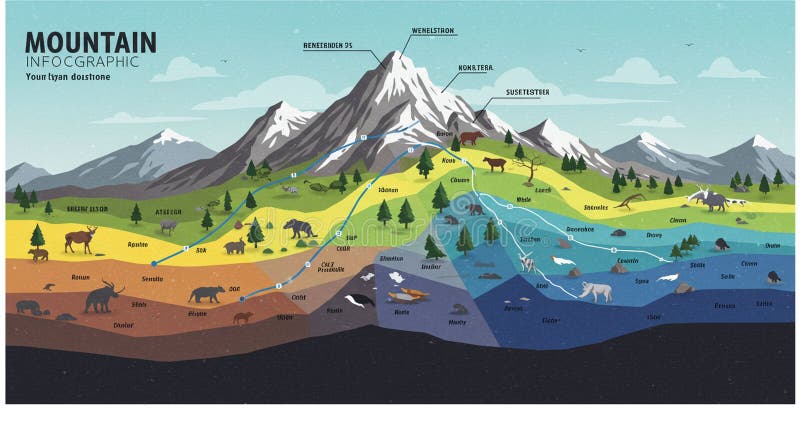
One of the most striking features of mountain ecology is altitudinal zonation, where distinct vegetation and animal communities occur in bands or zones as elevation increases. This phenomenon mirrors latitudinal changes from the equator to the poles, but over much shorter distances. Key zones typically include:
- Montane Zone: At lower elevations, characterized by forests (e.g., deciduous, coniferous) that transition from the surrounding lowlands. Biodiversity is often high here.
- Subalpine Zone: Above the montane forests, trees become stunted and scattered, forming krummholz (crooked wood) due to harsh winds and cold temperatures. Meadows and heathlands are common.
- Alpine Zone: Above the treeline, characterized by tundra-like vegetation, including grasses, sedges, mosses, lichens, and dwarf shrubs. Permafrost may be present. Plants are typically low-growing and adapted to short growing seasons and intense UV radiation.
- Nival Zone: The highest elevations, dominated by permanent snow and ice, with very little or no vegetation.
Each zone supports a unique assemblage of species adapted to its specific conditions, creating a rich tapestry of life.
Adaptations to High-Altitude Environments
Life in mountains requires remarkable adaptations to cope with harsh conditions, including:
1. Low Temperatures and Frost
- Plants: Many alpine plants are perennial, growing close to the ground (cushion plants) to avoid wind and trap heat. They often have small, waxy leaves to reduce water loss and dark pigments to absorb solar radiation. Some have rapid life cycles to complete reproduction during short growing seasons.
- Animals: Mammals often have thick fur or specialized circulatory systems (e.g., countercurrent heat exchange) to conserve heat. Birds may migrate to lower elevations in winter. Hibernation is common among smaller mammals.
2. High UV Radiation
- Plants: Produce protective pigments (e.g., anthocyanins) to shield against harmful UV radiation.
- Animals: Some animals have darker pigmentation, while others seek shelter during peak sun hours.
3. Strong Winds
- Plants: Grow in sheltered depressions or adopt prostrate growth forms. Flexible stems prevent breakage.
- Animals: Burrowing or seeking shelter in rock crevices is common.
4. Low Oxygen (Hypoxia)
- Animals: High-altitude mammals (e.g., yaks, llamas) and birds have evolved larger lungs, more efficient hemoglobin, or higher red blood cell counts to extract oxygen more effectively from thin air.
5. Steep Slopes and Unstable Substrates
- Plants: Extensive root systems help anchor plants and stabilize soil. Specialized seeds can germinate on disturbed ground.
- Animals: Agile climbers (e.g., mountain goats, ibex) have specialized hooves for navigating rocky terrain.
Mountain Biodiversity and Endemism
Mountains are global centers of biodiversity, often hosting a high degree of endemism – species found nowhere else on Earth. This is due to several factors:
- Isolation: Mountain ranges act as geographical barriers, isolating populations and promoting speciation.
- Environmental Heterogeneity: The rapid changes in elevation create a wide variety of microclimates and habitats within a small area.
- Refugia: During glacial periods, mountain valleys often served as refugia for species, allowing them to survive and diversify.
Examples of iconic mountain biodiversity include the snow leopard in the Himalayas, the Andean condor in the Andes, and the unique flora of the Drakensberg Mountains.
Ecosystem Services of Mountains
Mountains provide critical ecosystem services that extend far beyond their immediate boundaries:
- Water Towers: Mountains are the source of most of the world's freshwater, storing snow and ice that melt to feed rivers and provide water for billions of people downstream.
- Biodiversity Reservoirs: They are crucial habitats for a vast array of species, many of which are endangered.
- Climate Regulation: Mountain forests influence regional climate patterns and sequester carbon.
- Cultural and Spiritual Value: Mountains hold deep cultural and spiritual significance for many communities worldwide.
- Recreation and Tourism: They offer opportunities for hiking, skiing, climbing, and ecotourism.
Threats to Mountain Ecosystems
Mountain ecosystems are particularly vulnerable to environmental change:
- Climate Change: Rising temperatures are causing glaciers to melt, snowpacks to shrink, and treelines to advance upwards, squeezing alpine species into ever-smaller habitats. Changes in precipitation patterns lead to increased floods and droughts.
- Habitat Loss and Fragmentation: Infrastructure development (roads, ski resorts), mining, and unsustainable agriculture lead to habitat destruction.
- Overexploitation: Overgrazing, logging, and poaching threaten mountain biodiversity.
- Pollution: Air and water pollution, often originating from distant lowlands, can accumulate in mountain environments.
- Invasive Species: Non-native species can outcompete native mountain flora and fauna, which are often less competitive due to their specialized adaptations.
Conservation Strategies
Protecting mountain ecosystems requires a multi-faceted approach:
- Protected Areas: Establishing and effectively managing national parks and other protected areas.
- Transboundary Cooperation: Many mountain ranges span international borders, necessitating collaborative conservation efforts.
- Sustainable Development: Promoting sustainable tourism, agriculture, and resource management practices that benefit local communities while protecting the environment.
- Climate Change Mitigation: Reducing global greenhouse gas emissions is paramount to slowing the rate of warming in mountains.
- Research and Monitoring: Understanding the impacts of climate change and human activities to inform conservation strategies.
Conclusion
Mountain ecosystems are extraordinary natural laboratories, showcasing the remarkable resilience and diversity of life in the face of extreme conditions. Their altitudinal zonation, unique adaptations, and high levels of endemism make them invaluable biodiversity hotspots. However, these fragile environments are under immense pressure from climate change and human activities. Safeguarding the ecology of mountains is not just about preserving iconic landscapes; it is about protecting critical water resources, maintaining global biodiversity, and ensuring the well-being of countless communities that depend on them. Our collective efforts to conserve these majestic ecosystems are vital for the health of the planet and future generations.