The Ecology of Deserts: Survival in Extreme Environments
The Ecology of Deserts: Survival in Extreme Environments
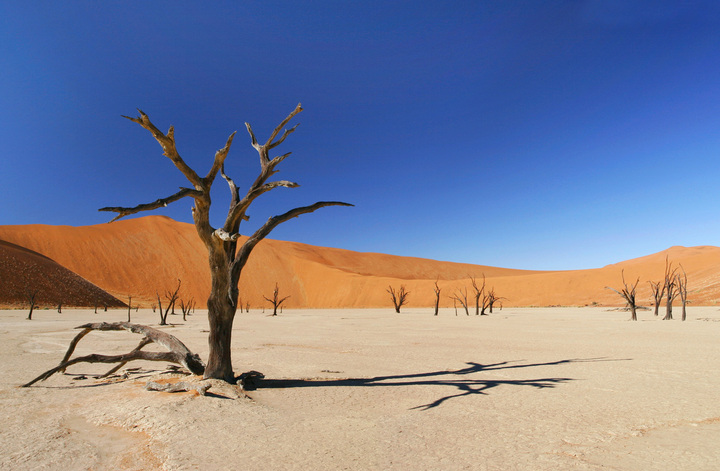
Deserts, often perceived as barren and lifeless landscapes, are in fact vibrant ecosystems teeming with life uniquely adapted to survive some of the planet's most extreme conditions. Characterized by scarcity of water, extreme temperature fluctuations, and often sparse vegetation, deserts cover about one-third of the Earth's land surface. The ecology of these arid regions is a testament to the remarkable resilience and ingenuity of life, showcasing intricate adaptations that allow plants and animals to thrive where water is a precious commodity.
Defining Desert Environments
Deserts are primarily defined by their low precipitation, typically receiving less than 250 millimeters (10 inches) of rainfall annually. This aridity can result from various factors, including:
- Rain Shadow Effect: Mountains block moisture-laden air, creating dry conditions on their leeward side.
- Continental Interiors: Areas far from oceanic moisture sources.
- Cold Ocean Currents: Cool currents stabilize the atmosphere, preventing rainfall.
- High-Pressure Zones: Persistent high-pressure systems inhibit cloud formation and precipitation.
Beyond aridity, deserts often experience extreme diurnal (daily) temperature swings, with scorching daytime heat giving way to freezing nights. The soils are typically poor in organic matter but can be rich in minerals. Despite these harsh conditions, a diverse array of life has evolved specialized strategies to cope.
Plant Adaptations: Mastering Water Conservation
Desert plants, known as xerophytes, exhibit a remarkable suite of adaptations to minimize water loss and maximize water uptake:
- Succulence: Cacti and other succulents store water in their fleshy stems, leaves, or roots. Their thick, waxy cuticles reduce evaporation.
- Deep Root Systems: Many desert plants, like mesquite, develop extensive root systems that can tap into deep groundwater sources.
- Shallow, Widespread Roots: Other plants, such as some cacti, have shallow, fibrous roots that quickly absorb surface moisture from brief rainfalls.
- Reduced Leaf Surface Area: Small leaves, or no leaves at all (like cacti, where photosynthesis occurs in the stem), minimize the surface area exposed to the sun and wind, reducing transpiration.
- Deciduousness: Some plants shed their leaves during prolonged dry periods to conserve water.
- CAM Photosynthesis: Crassulacean Acid Metabolism (CAM) allows plants to open their stomata (pores) at night to absorb CO2, minimizing water loss during the hot day.
- Spines and Hairs: Spines deter herbivores and create a boundary layer of still air, reducing airflow over the plant surface and thus water loss. Hairs can reflect sunlight.
Animal Adaptations: Surviving the Heat and Thirst
Desert animals, or xerocoles, have evolved equally impressive physiological and behavioral adaptations to survive the heat and lack of water:
- Nocturnal Activity: Many desert animals, such as rodents, snakes, and insects, are nocturnal, avoiding the intense daytime heat by being active at night.
- Burrowing: Digging burrows provides refuge from extreme temperatures, maintaining a more stable microclimate underground.
- Estivation: Some animals enter a state of dormancy during prolonged dry or hot periods, similar to hibernation.
- Efficient Water Use: Kangaroos rats can survive without drinking water, obtaining all necessary moisture from their food and metabolic processes. Many desert animals produce highly concentrated urine and dry feces to conserve water.
- Specialized Kidneys: Desert mammals often have highly efficient kidneys that can reabsorb more water.
- Heat Dissipation: Animals like the fennec fox have large ears with extensive blood vessels to radiate excess heat. Camels have a unique ability to fluctuate their body temperature, reducing water loss through sweating.
- Coloration: Light-colored fur or skin can reflect solar radiation, helping to keep animals cooler.
Food Webs and Interdependencies
Despite the apparent harshness, desert ecosystems support complex food webs. Primary producers, such as cacti, shrubs, and ephemeral plants that bloom after rain, form the base. Herbivores like desert tortoises, jackrabbits, and various insects feed on these plants. Carnivores, including coyotes, snakes, owls, and scorpions, prey on the herbivores and smaller carnivores. Decomposers, primarily bacteria and fungi, break down organic matter, albeit at a slower rate due to the dry conditions.
These food webs are often characterized by opportunistic feeding and strong interdependencies. For example, the availability of water and food can fluctuate dramatically, leading to boom-and-bust cycles in populations. Many species have co-evolved, such as specific pollinators for desert flowers or predators adapted to hunt burrowing prey.
Human Impact and Conservation
Deserts, while resilient, are increasingly threatened by human activities. Climate change is altering precipitation patterns and increasing temperatures, pushing already stressed ecosystems to their limits. Overgrazing by livestock can degrade fragile desert vegetation, leading to soil erosion and desertification. Water extraction for agriculture and urban development depletes scarce groundwater resources. Mining and off-road vehicle use can destroy delicate desert crusts and habitats.
Conservation efforts in deserts focus on protecting critical habitats, managing water resources sustainably, controlling invasive species, and promoting responsible tourism. Establishing protected areas and educating the public about the unique ecology of deserts are crucial steps towards preserving these extraordinary landscapes and their specialized inhabitants.
Conclusion
The ecology of deserts is a remarkable testament to life's ability to adapt and thrive in the face of extreme environmental challenges. The intricate physiological and behavioral adaptations of desert plants and animals allow them to conserve water, regulate temperature, and exploit scarce resources. These seemingly desolate landscapes are, in fact, vibrant ecosystems with complex food webs and delicate interdependencies. As human pressures and climate change intensify, understanding and protecting the unique ecology of deserts becomes ever more critical to ensure the survival of these resilient ecosystems and the extraordinary life they support. The lessons learned from desert survival offer valuable insights into resilience and sustainability in a changing world.