The Ecology of Coral Reefs: Underwater Cities of Biodiversity
The Ecology of Coral Reefs: Underwater Cities of Biodiversity
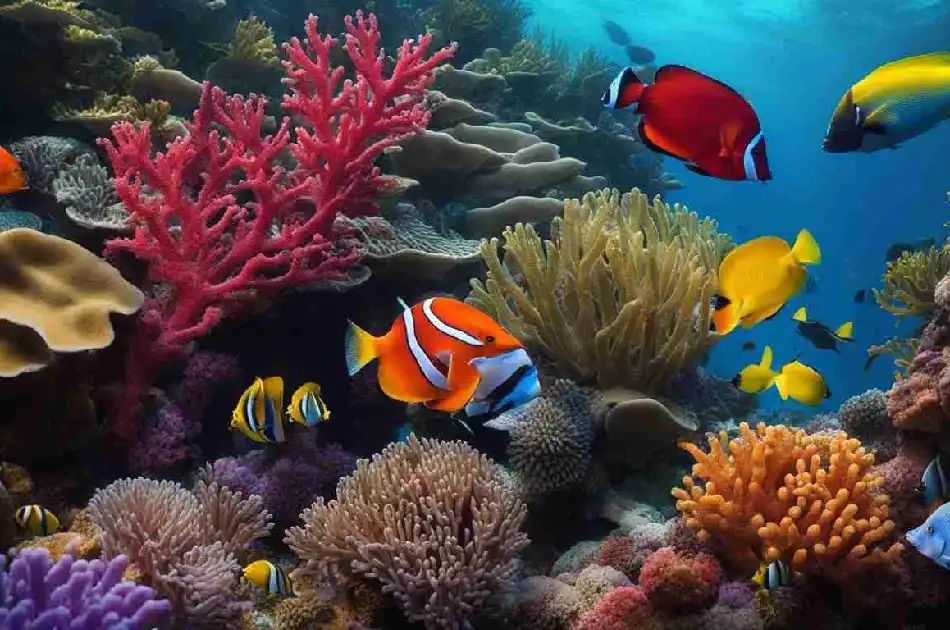
Coral reefs are often hailed as the "rainforests of the sea," vibrant underwater ecosystems that harbor an astonishing diversity of marine life. Despite covering less than 0.1% of the ocean floor, they support over 25% of all marine species, making them critical hotspots of biodiversity. These intricate structures, built by tiny animals called coral polyps, provide essential ecosystem services, from coastal protection to supporting global fisheries. Understanding the delicate ecology of coral reefs is paramount to appreciating their value and safeguarding their future.
The Architects of the Reef: Coral Polyps
The foundation of a coral reef is built by coral polyps, small, soft-bodied invertebrates related to sea anemones and jellyfish. These polyps secrete calcium carbonate (limestone) to form a hard, protective exoskeleton. Over thousands of years, generations of polyps build upon the skeletons of their predecessors, gradually forming the massive and complex structures we recognize as coral reefs.
The success of reef-building corals largely depends on a symbiotic relationship with microscopic algae called zooxanthellae. These algae live within the coral polyps' tissues, where they perform photosynthesis, converting sunlight into energy. In return, the corals provide the algae with a protected environment and compounds necessary for photosynthesis. This mutualistic relationship is incredibly efficient, allowing corals to grow rapidly and thrive in nutrient-poor tropical waters.
Biodiversity and Ecosystem Services
The complex three-dimensional structure of coral reefs provides an unparalleled array of habitats, niches, and hiding places for countless marine organisms. From colorful fish and invertebrates to sea turtles and sharks, a vast spectrum of life finds refuge, food, and breeding grounds within the reef. This high biodiversity contributes to the overall health and resilience of marine ecosystems.
Beyond their intrinsic value, coral reefs provide crucial ecosystem services:
- Coastal Protection: Reefs act as natural breakwaters, dissipating wave energy and protecting coastlines from erosion, storm surges, and tsunamis. This protection is vital for coastal communities and infrastructure.
- Fisheries Support: Many commercially important fish species spend at least part of their life cycle on coral reefs, using them as nurseries, feeding grounds, and spawning areas. Reefs directly support the livelihoods of millions of people worldwide through fishing and tourism.
- Tourism and Recreation: The beauty and biodiversity of coral reefs attract millions of tourists annually, generating significant revenue for local economies through diving, snorkeling, and other recreational activities.
- Sources of New Medicines: Reef organisms are a rich source of novel compounds with potential pharmaceutical applications, including treatments for cancer, arthritis, and bacterial infections.
Threats to Coral Reefs
Despite their resilience, coral reefs are facing unprecedented threats, primarily driven by human activities:
1. Climate Change and Ocean Warming
Rising ocean temperatures, a direct consequence of climate change, are the leading cause of coral bleaching. When water temperatures become too high, corals expel their symbiotic zooxanthellae, causing them to turn white. While corals can recover from mild bleaching events, prolonged or severe bleaching can lead to coral mortality. The increasing frequency and intensity of marine heatwaves are pushing reefs beyond their capacity to recover.
2. Ocean Acidification
As discussed in a previous article, ocean acidification, caused by the absorption of excess atmospheric CO2, reduces the availability of carbonate ions, making it harder for corals to build and maintain their calcium carbonate skeletons. This weakens reef structures and slows down reef growth, making them more vulnerable to physical damage.
3. Pollution
Land-based pollution, including agricultural runoff (nutrients and pesticides), sewage, and plastic debris, severely impacts coral reefs. Excess nutrients can lead to algal blooms that smother corals, while pesticides can directly harm coral polyps. Plastic pollution can cause physical damage and introduce diseases.
4. Overfishing and Destructive Fishing Practices
Overfishing can disrupt the delicate balance of reef ecosystems, particularly by removing herbivorous fish that graze on algae, preventing it from overgrowing corals. Destructive fishing practices, such as blast fishing and cyanide fishing, directly destroy reef structures and kill marine life indiscriminately.
5. Physical Damage
Anchoring, irresponsible tourism (e.g., touching corals), and coastal development can cause direct physical damage to fragile reef structures.
Conservation and Future Outlook
Protecting coral reefs requires a multi-faceted approach that addresses both global and local threats. Global efforts to mitigate climate change by reducing greenhouse gas emissions are paramount to curbing ocean warming and acidification. Locally, effective management strategies include:
- Establishing Marine Protected Areas (MPAs): These areas restrict human activities to allow reefs to recover and thrive.
- Sustainable Fisheries Management: Implementing quotas, gear restrictions, and seasonal closures to prevent overfishing.
- Reducing Land-Based Pollution: Improving wastewater treatment, managing agricultural runoff, and reducing plastic waste.
- Promoting Responsible Tourism: Educating tourists about reef etiquette and supporting eco-friendly tourism operators.
- Coral Restoration: Actively growing and transplanting corals to degraded reefs, though this is a labor-intensive and often localized solution.
The future of coral reefs depends on urgent and concerted global action. Their loss would not only be an ecological tragedy but also a significant blow to human well-being, impacting food security, coastal protection, and cultural heritage. By understanding and valuing these underwater cities of biodiversity, we can strive to ensure their survival for generations to come.
Conclusion
Coral reefs are extraordinary ecosystems, vital for marine biodiversity and providing invaluable services to humanity. Their intricate structure, built by tiny polyps in symbiosis with algae, supports a quarter of all marine species. However, these underwater cities face severe threats from climate change, ocean acidification, pollution, and destructive human practices. Safeguarding coral reefs demands immediate and comprehensive global and local actions to reduce carbon emissions, manage pollution, and protect marine habitats. The health of our oceans, and the countless lives they sustain, hinges on our commitment to preserving these magnificent natural wonders.