Sustainable Agriculture: Feeding the World Without Harming the Planet
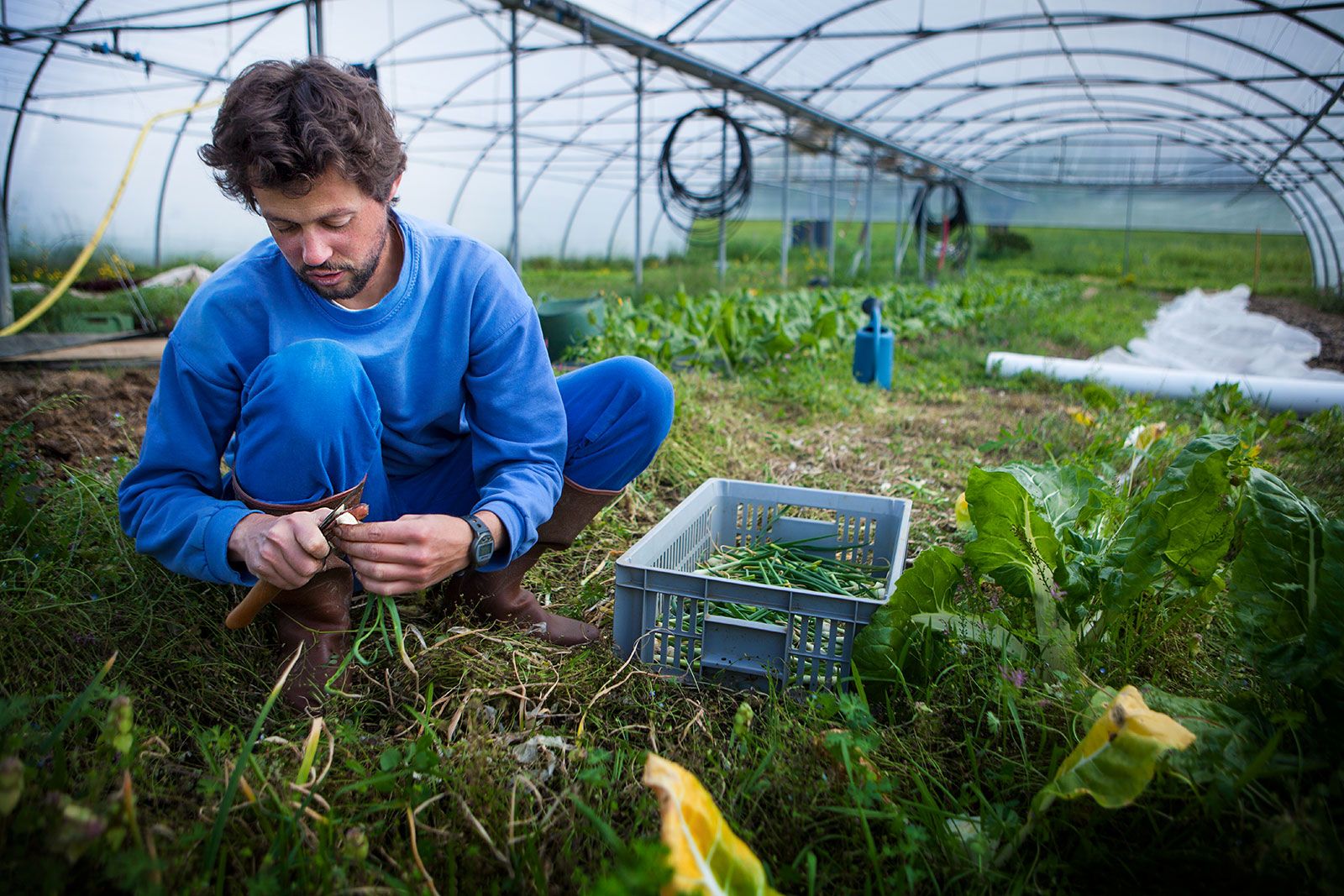
Sustainable Agriculture: Feeding the World Without Harming the Planet
Sustainable agriculture is a holistic approach to farming that aims to produce food, fiber, and other agricultural products in a way that is environmentally sound, economically viable, and socially just. It seeks to meet the needs of the present generation without compromising the ability of future generations to meet their own needs. In an era of growing global population, climate change, and environmental degradation, the transition to sustainable agricultural practices is not merely an option but a necessity for long-term food security and planetary health.
Core Principles of Sustainable Agriculture
Sustainable agriculture is guided by several key principles that differentiate it from conventional, industrial farming. These include:
- Environmental Stewardship: Protecting and enhancing natural resources, including soil, water, air, and biodiversity. This involves minimizing pollution, conserving water, reducing energy consumption, and promoting healthy ecosystems.
- Economic Viability: Ensuring that farming operations are profitable and provide a stable livelihood for farmers and agricultural workers. This often involves reducing input costs, diversifying crops, and accessing fair markets.
- Social Equity: Promoting fair labor practices, ensuring access to healthy food for all communities, and respecting the rights and well-being of rural populations.
- Community Resilience: Building strong, self-reliant agricultural communities that can adapt to challenges such as climate change, economic shifts, and natural disasters.
These principles are interconnected, recognizing that a truly sustainable food system must address environmental, economic, and social dimensions simultaneously.
Key Practices in Sustainable Agriculture
Several practices are central to achieving sustainable agriculture:
1. Soil Health Management
Healthy soil is the foundation of productive and sustainable agriculture. Practices like cover cropping, no-till farming, and crop rotation help to improve soil structure, increase organic matter, enhance water retention, and reduce erosion. These methods also foster a diverse soil microbiome, which is essential for nutrient cycling and plant health, reducing the need for synthetic fertilizers.
2. Water Conservation
Agriculture is a major consumer of freshwater. Sustainable practices focus on efficient water use through techniques such as drip irrigation, rainwater harvesting, and planting drought-resistant crops. Protecting riparian zones and wetlands also helps to maintain water quality and availability for agricultural use.
3. Biodiversity Promotion
Encouraging biodiversity on and around farms is crucial. This includes planting hedgerows and pollinator-friendly plants to support beneficial insects, birds, and other wildlife. Diverse cropping systems, including agroforestry (integrating trees and shrubs into farming systems), enhance ecosystem services like pest control and pollination, reducing reliance on chemical inputs.
4. Integrated Pest Management (IPM)
IPM is an ecological approach to pest control that minimizes the use of synthetic pesticides. It involves monitoring pest populations, using biological controls (e.g., beneficial insects), cultural practices (e.g., crop rotation), and only applying pesticides as a last resort and in a targeted manner. This protects pollinators, soil organisms, and human health.
5. Nutrient Management
Sustainable nutrient management aims to optimize nutrient use efficiency and minimize nutrient runoff into waterways. This involves using compost and manure to build soil fertility, conducting regular soil testing to apply nutrients precisely, and implementing practices that prevent nutrient leaching and erosion.
6. Renewable Energy and Reduced Emissions
Reducing agriculture's carbon footprint is another key aspect. This includes adopting renewable energy sources (e.g., solar, wind) on farms, improving energy efficiency, and implementing practices that sequester carbon in the soil, such as agroforestry and cover cropping. Reducing methane emissions from livestock through improved feed and waste management is also important.
Benefits of Sustainable Agriculture
The benefits of sustainable agriculture are multifaceted:
- Environmental Benefits: Reduced greenhouse gas emissions, improved water quality, enhanced biodiversity, healthier soils, and greater resilience to climate change.
- Economic Benefits: Lower input costs, increased farm profitability, diversified income streams, and greater market access for sustainably produced goods.
- Social Benefits: Healthier food for consumers, improved working conditions for farm laborers, stronger rural communities, and a more equitable food system.
Challenges and the Path Forward
Despite its numerous advantages, the transition to sustainable agriculture faces challenges, including initial investment costs, lack of knowledge and technical support for farmers, and policy frameworks that often favor conventional farming. However, growing consumer demand for sustainably produced food, coupled with increasing awareness of environmental issues, is driving innovation and adoption.
Government policies, research and development, and farmer education and training are crucial for accelerating this transition. Supporting local food systems, promoting fair trade, and investing in ecological farming methods are all vital steps towards building a more resilient and sustainable global food system.
Conclusion
Sustainable agriculture offers a powerful vision for feeding a growing world population while simultaneously protecting our planet's precious natural resources. By embracing practices that prioritize soil health, water conservation, biodiversity, and reduced chemical inputs, we can cultivate a food system that is not only productive and profitable but also environmentally responsible and socially just. The future of food, and indeed the future of our planet, depends on our collective commitment to nurturing the land that sustains us.