Ocean Acidification: A Silent Threat to Marine Life
Ocean Acidification: A Silent Threat to Marine Life
Ocean acidification, often dubbed the "other CO2 problem," is a profound and escalating environmental challenge driven by the absorption of excess carbon dioxide (CO2) from the atmosphere into the world's oceans. While climate change garners significant attention for its impacts on global temperatures and weather patterns, ocean acidification poses a silent yet equally devastating threat to marine ecosystems, particularly to organisms that form shells and skeletons.
The Chemistry of Ocean Acidification
The process of ocean acidification begins with the increasing concentration of atmospheric CO2, primarily from human activities such as the burning of fossil fuels and deforestation. The ocean acts as a massive carbon sink, absorbing approximately 25-30% of the CO2 released into the atmosphere. While this absorption helps to mitigate global warming, it comes at a significant cost to marine chemistry.
When CO2 dissolves in seawater, it reacts with water molecules to form carbonic acid (H2CO3). Carbonic acid then dissociates, releasing hydrogen ions (H+) and bicarbonate ions (HCO3-). The increase in hydrogen ions leads to a decrease in the ocean's pH, making it more acidic. Simultaneously, the excess hydrogen ions react with carbonate ions (CO32-), reducing their availability. Carbonate ions are crucial building blocks for many marine organisms to create their shells and skeletons.
Impacts on Calcifying Organisms
The reduction in carbonate ion availability is particularly detrimental to calcifying organisms, which include corals, shellfish (oysters, clams, mussels), sea urchins, and plankton such as pteropods and foraminifera. These organisms rely on calcium carbonate to build and maintain their protective structures. As the ocean becomes more acidic, it becomes more difficult for them to calcify, and in some cases, existing shells and skeletons can even begin to dissolve.
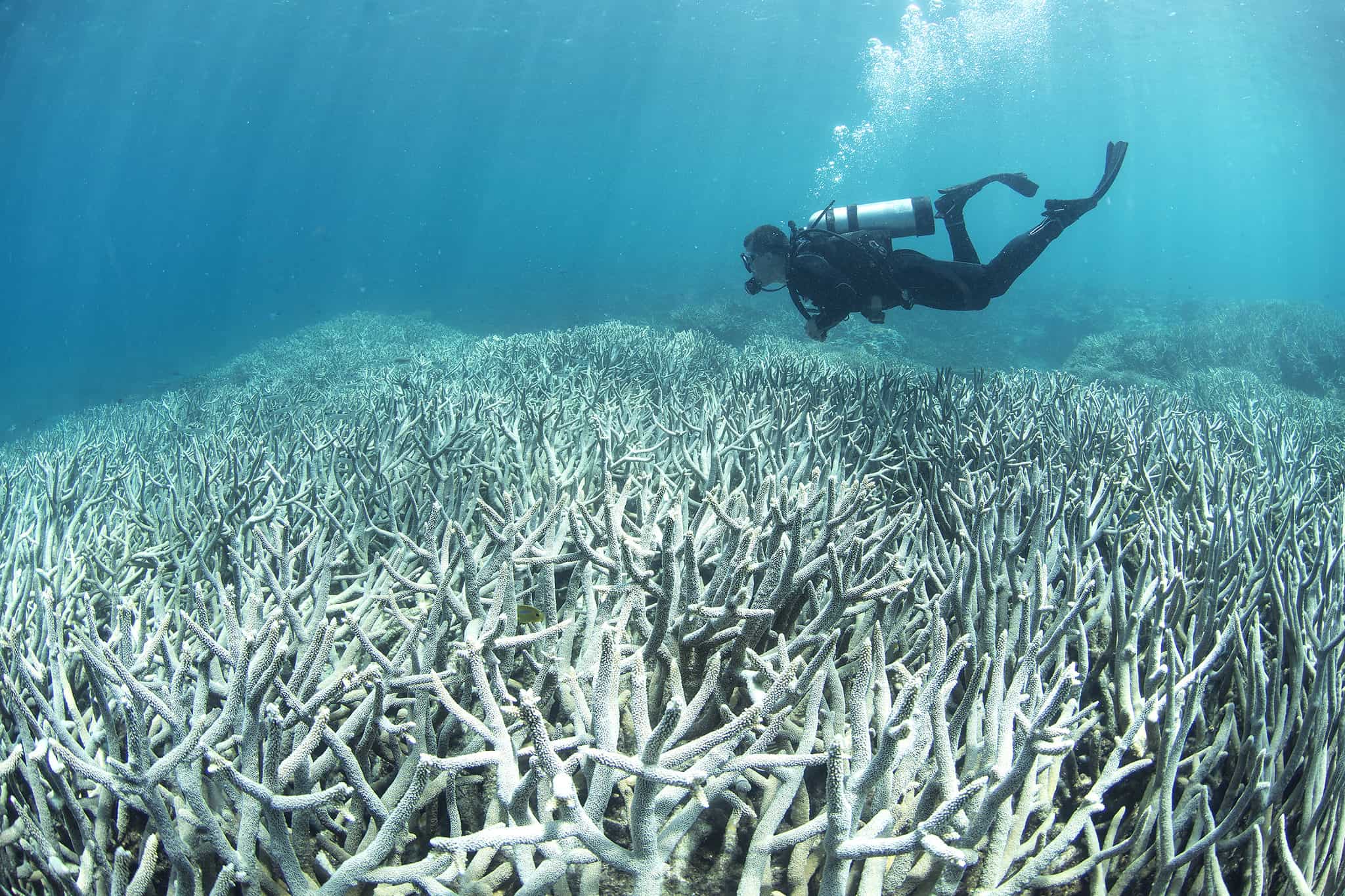
Coral reefs, often called the "rainforests of the sea" due to their immense biodiversity, are highly vulnerable to ocean acidification. The reduced ability of corals to build their calcium carbonate skeletons weakens their structure, making them more susceptible to erosion and damage. This can lead to coral bleaching events and, ultimately, the collapse of entire reef ecosystems, with cascading effects on the countless species that depend on them for food and shelter.
Shellfish industries are also at risk. Larval stages of oysters and other bivalves are particularly sensitive to changes in pH, experiencing reduced growth and increased mortality in more acidic waters. This threatens aquaculture and wild fisheries, impacting coastal economies and food security for millions of people worldwide.
Broader Ecological Consequences
The impacts of ocean acidification extend beyond calcifying organisms, affecting the entire marine food web. Pteropods, tiny marine snails, are a vital food source for many fish, including salmon, and whales. Their vulnerability to acidification can disrupt these food chains, potentially leading to declines in commercially important fish stocks and impacting larger marine predators.
Changes in ocean chemistry can also affect the behavior and physiology of non-calcifying organisms. Studies have shown that increased acidity can impair the sense of smell in fish, making it harder for them to find food or avoid predators. It can also impact fish reproduction, growth rates, and immune responses, further stressing marine populations already facing challenges from overfishing, pollution, and habitat loss.
The Interplay with Climate Change
Ocean acidification and ocean warming are two distinct but interconnected consequences of rising atmospheric CO2. The combined effects of these stressors can be more severe than either stressor alone. For example, warmer waters can exacerbate coral bleaching, while acidification simultaneously weakens their ability to recover. This double burden makes marine ecosystems particularly vulnerable and highlights the urgency of addressing CO2 emissions comprehensively.
Solutions and Mitigation
Addressing ocean acidification requires a global effort to significantly reduce CO2 emissions. This involves transitioning to renewable energy sources, improving energy efficiency, and implementing sustainable land-use practices that enhance carbon sequestration. While local actions such as reducing nutrient pollution and protecting coastal habitats can help build resilience, the primary driver of ocean acidification is global CO2 emissions.
Research into adaptation strategies, such as identifying and protecting acidification-resistant species, is also underway. However, these efforts can only buy time; the long-term solution lies in mitigating the root cause. International cooperation and policy frameworks are essential to drive the necessary changes at a global scale.
Conclusion
Ocean acidification represents a profound and pervasive threat to marine life and the vital ecosystem services provided by our oceans. By altering the fundamental chemistry of seawater, it undermines the ability of countless organisms to survive and thrive, with potentially catastrophic consequences for biodiversity, fisheries, and coastal communities. Recognizing ocean acidification as a critical component of the broader climate crisis underscores the urgent need for decisive global action to reduce carbon emissions and protect the health of our planet's most expansive ecosystem. The future of our oceans, and indeed our own, depends on it.